Car wrapping is the easiest way to change how your car looks without paying for an expensive new paint job. A lot of readers ask me about this, especially people who own a small fleet of company cars or vans and want a fresh brand on every panel.
That single problem is the reason vehicle wrapping exists, and I want to give you a clear answer. This post explores the whole world of vehicle wrap applications, from simple car wrapping to a full paint respray swap.
Vehicle wraps come in many forms, and each one can refresh a car’s appearance in its own way, whether it’s a small business van or a personal daily driver.
It has quickly become one of the most requested services among readers who want an affordable alternative to a full respray, and I’ve watched this technique turn tired old cars into head-turners.
It also gives fleet owners a consistent, professional brand identity across every vehicle they own, which is something paint alone simply cannot achieve as easily.
I want to show you exactly how it works, why so many people are choosing it over traditional paint jobs, and how car wrapping compares to other options available today.
What Is Car Wrapping?
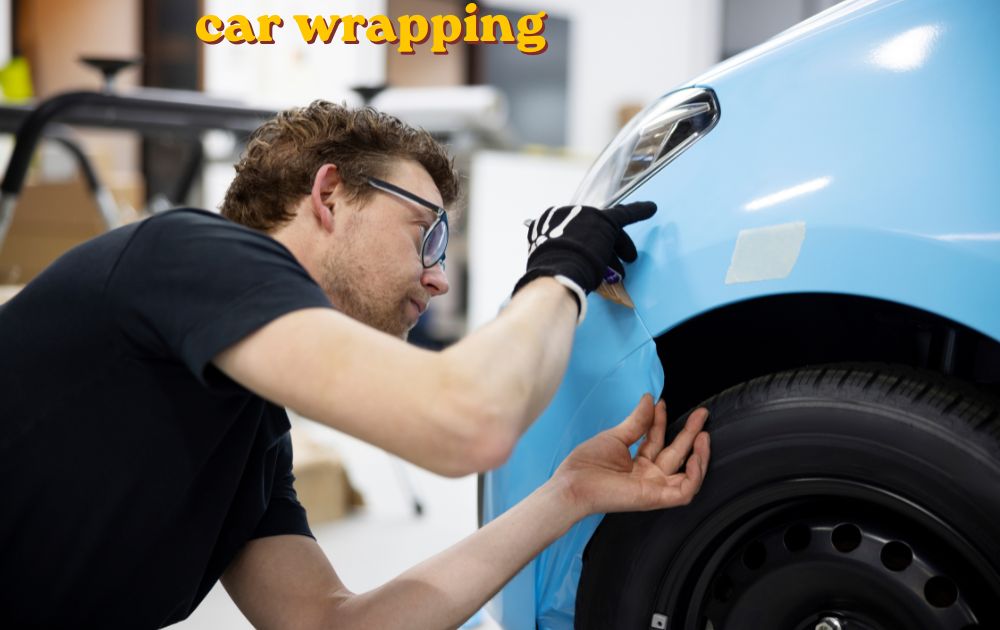
So what is car wrapping, exactly? It is a technique for covering vehicles in a thin vinyl film, which sits on top like a new coating over the old paintwork.
It gives you a quick and effective way to alter the look of any vehicle, and it has become popular because it doesn’t require any permanent changes to the car underneath.
You get an array of colours and designs to pick from, plus a choice of gloss or matte finishes to achieve the exact style you want, which is part of what makes it so appealing to both individuals and businesses.
Vehicle wrapping costs less than an expensive full vehicle respray, and it can create visual effects on paint that a spray gun simply cannot match, making car wrapping a smarter choice for many drivers.
Changing your car this way is far less complicated than a paint respray at a bodyshop, and it can usually be completed in a fraction of the time.
You will also hear people call it a car overlay, since the film sits above the original colour and design as a protective layer.
A car wrap, sometimes called a paint wrap, colour change wrap, or paint protection film, is really just a different name for the same clever idea behind it.
Colour Change
Colour change is one of the most popular reasons people choose car wrapping for their cars. You can go for a total colour change across the whole body, or pick a partial wrap on just the roof, the spoilers, or the wing mirrors.
Car wrapping makes this kind of transformation incredibly simple, since there’s no need to strip old paint or wait weeks for a respray to cure.
Vinyl wrapping gives a quick and cost-effective way to give your vehicle a new, individual look, and car wrapping specialists can match almost any shade you have in mind, from subtle pastels to bold, attention-grabbing tones.
I like using an opaque film for a clean, solid finish that hides every trace of the old colour underneath, which is exactly why car wrapping remains such a reliable choice for anyone wanting a completely fresh appearance without touching the factory paint.
Bespoke Designs
If you want something truly unique, bespoke vehicle wraps can display anything from personal artwork to a full business logo.
This is a popular choice for company cars and other vehicles used to promote special events, and car wrapping makes it possible to turn an ordinary vehicle into a moving advertisement or a genuine piece of art.
Studios recognised globally for their graphic design talent now specialise in bespoke, high quality vehicle wrap designs, and car wrapping has opened the door for far more creative freedom than traditional paintwork ever allowed.
I have seen the difference a skilled designer makes on a plain van, and it’s a reminder of just how far car wrapping has come as both a branding tool and a form of personal expression.
Detailing / Vinyl Detailing
Vinyl wraps now feature in vehicle detailing too, and these small modifications can change a car’s whole character. Dechroming gives a stealthy look, while pin-striping adds a sporty vibe to any panel, and car wrapping techniques like these have become just as popular as full colour changes among detailing enthusiasts.
Blackout packages stay especially popular for a stealthier look, and many car wrapping studios now offer these as standalone add-ons for people who only want subtle changes.
Simple stripes finish the job nicely without costing much at all, proving that car wrapping doesn’t always have to mean a dramatic transformation to make a real visual impact.
Paint Protection
Car wrapping is not only about enhancing the aesthetics of cars; wraps also serve a functional purpose and can enhance protection at the same time.
A satin clear vinyl adds a layer of protection straight onto the paintwork, and this is one of the most practical benefits car wrapping has to offer beyond looks alone.
Paint protection films enhance and protect vehicles with an invisible, long lasting shield that helps preserve the original paintwork, and car wrapping in this form has become essential for owners who want to maintain resale value.
This keeps the vehicle’s original colour and finish looking fresh for years, which matters a lot if you plan to sell later, making car wrapping a smart long-term investment rather than just a cosmetic upgrade.
Here’s the extended version, keeping the same structure and headings, with car wrapping worked in naturally throughout:
Partial Wraps / Do I Have to Wrap the Entire Car?
You do not need to wrap the entire car to get results, and this is one of the most reassuring things people learn once they start looking into car wrapping properly.
Popular modifications include half wraps, roof wraps, spoilers, and wing mirrors, and fleet owners often go further with bespoke liveries across several panels, since car wrapping allows every vehicle in a fleet to carry consistent branding without the expense of a full respray.
You can simply re-colour or modify certain areas, such as door panels, without touching the rest of the design, and this kind of flexibility is exactly why car wrapping continues to appeal to people who want change without commitment.
Adding a pattern using cut decals or stickers from a machine follows almost the same application process as a regular wrap, and many car wrapping studios happily combine both techniques on a single vehicle for a more layered, custom result.
Whether you’re after a subtle accent or a striking partial finish, car wrapping in sections gives you room to experiment before ever committing to a full colour change, and it’s often the perfect entry point for first-time customers who aren’t quite ready to wrap the whole car.
How to Wrap a Car / How Does It Work
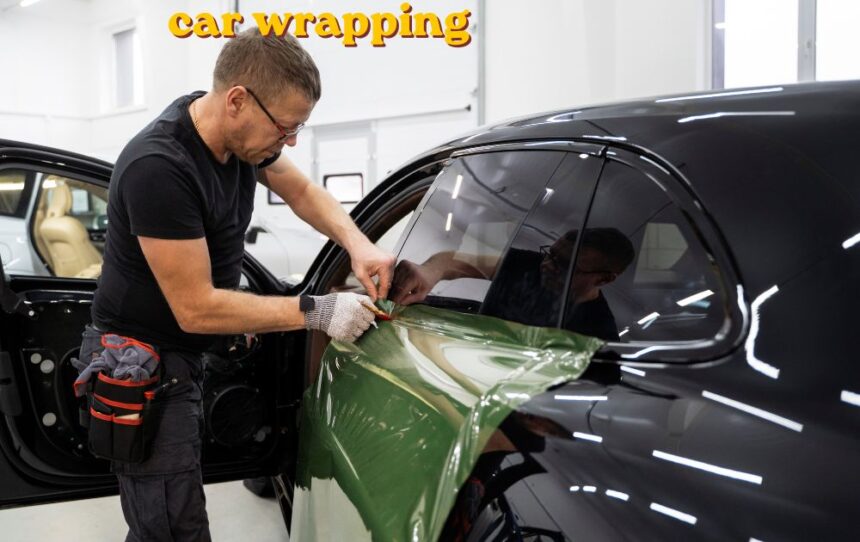
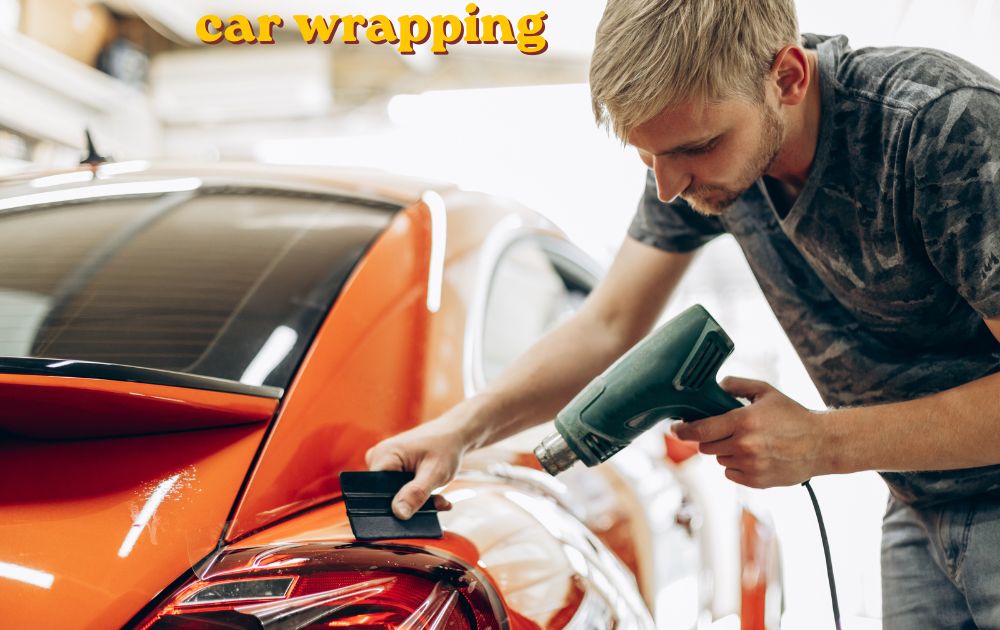
Car wrapping takes more skill than it looks, and it stays a job for the experts, since it is genuinely technical. There are three stages to the job: taking careful measurements, picking a colour and finish, and choosing from a variety of vehicle wraps and graphics.
Getting each of these stages right is what separates a professional car wrapping job from a disappointing one. Once you settle on a design, the shop prints and laminates the vinyl, or selects coloured vinyl straight off the shelf, and this is often where car wrapping specialists show off just how precise and detail-oriented the process really is.
For the last step, the fitter applies the wrap to your vehicle or van, keeping it cleaned and prepared first, because even the best car wrapping film will fail to bond properly if the surface underneath isn’t spotless.
Every trace of dirt and debris needs to come out of the windows, door seals, doors, wheel arches, and bonnet. A clean car removes the risk of spoiling the finish, so professional wrappers carry the right products and tools to shift stubborn grease from the bodywork, and this preparation stage is arguably just as important to car wrapping as the application itself.
Ideally, the car’s condition should be good beforehand, since scratches, dents, and paint bubbles all show through the film, which is why many car wrapping technicians will recommend minor bodywork repairs before starting the job.
Removing hardware like wing mirrors and door handles first keeps the finished job neat, and this attention to detail is a hallmark of good car wrapping practice, ensuring the vinyl sits flush against every contour of the vehicle rather than bunching awkwardly around fittings.
Trained professionals carry the right equipment and years of experience to get a perfect finish, and this experience is exactly what you’re paying for when you invest in car wrapping rather than attempting a DIY job.
A full wrap can take around two days to finish properly, so you may need to drop your car at the shop the day before, giving the car wrapping team enough time to work carefully without rushing any stage of the process.
Plan to be without your car for up to four days if you are booking in a full wrap, since car wrapping often includes curing time after application to make sure the vinyl adheres correctly and won’t lift or peel later on.
Underneath it all sits a thin plastic vinyl coating stuck straight onto the vehicle’s paintwork, built from accurate measurements and matching finishes, and this is the foundation that makes car wrapping such an effective alternative to traditional paint.
Laminating the film helps protect it from scratches, abrasions, and UV damage, extending the lifespan of the car wrapping considerably and helping it withstand daily wear, weather exposure, and regular washing without fading or cracking.
It can be a fiddly job, so a properly trained technician cuts the plastic layer to fit every surface and panel on the car, and this precision cutting is often what determines whether a car wrapping job looks seamless or shows visible seams and lifted edges.
Ultimately, the skill, patience, and technical know-how behind every stage of car wrapping is what transforms a simple roll of vinyl into a finish that can rival, and sometimes even surpass, a traditional paint job.
Cost Of Car Wrapping
The costs of car wrapping depend on several factors, including the size of the car, the type of wrap, whether it is partial or full, and the material you choose. Price also shifts with the condition of the car and the time it takes to fit everything professionally.
To give you a rough idea of cost, an exterior vehicle wrap for a medium-sized car in a standard colour finish starts from around £1,800 plus VAT, depending on the selected film and coverage. A digitally printed version usually runs from £2150 plus VAT, exclusive of any design costs.
An exterior colour change wrap for a Ford Transit Custom costs from about £1980 plus VAT, while a digitally printed version can reach £2,350 plus VAT. Motorbike wraps vary a lot by design, so most shops quote the job individually.
Bikes use far less vinyl than cars, but bike manufacturers’ styling can increase the time it takes to apply a wrap. A small colour change on a small set of fairings, tanks, mudguards, seat surround, and side panels can start from around £650 plus VAT.
The Advantages Of Car Wrapping
There are real benefits to car wrapping, and I have seen many owners choose this route for their vehicle instead of a respray. You get a fresh colour, design, or texture for far less than a complete respray would cost.
Since the change stays far from permanent like a new paint job, that is a real advantage if you are customizing a car you plan to sell later, keeping its resale value intact. The film also carries a scratch and UV-resistant coating that helps protect the paintwork underneath.
Car wraps double up as low-cost advertising for a business, letting your brand travel the roads behind every wheel.
Carbon Fibre
WRPD Automotive Films stocks a range of premium films, including some new to market carbon fibre finishes that give any bonnet a real edge.
Common Vehicle Types
An industry-trained, experienced team can work on a huge range of vehicles, from supercars and bikes to large commercial fleets right across the country. Wrap shops handle everything, from cars and vans to buses and even planes.
Common categories include car wraps, motorbike wraps, van wraps, and truck and bus wraps. Sticking to industry-leading and trusted vinyl manufacturers’ products helps ensure quality installations across every one of these applications.
Advertising Wraps
Advertising wraps showcase a business’s key information and brand on the road. They stay common on vans, but the majority of vehicles can carry one.
Many drivers now choose custom prints, where a printer transfers any image onto the wrap and installers apply it to the car, in either matte or glossy finishes.
Why Get a Car Wrap?
There are plenty of good reasons to get a car wrap. It works well for advertising, since a custom wrap can carry your business’s logo, contact details, and graphics wherever you drive.
Car wrapping also lets you personalize or freshen the appearance of a car without much fuss. A vinyl wrap usually costs cheaper than re-spraying, and it lets you experiment with different patterns and designs for a truly unique look.
Once the vinyl starts to look worn, it stays fairly simple to replace it.
Can Car Wrapping Protect My Car?
Yes, vinyl car wrapping can genuinely protect the vehicle’s original paintwork from light scratches and chips, plus UV damage. That said, car wrapping does not offer the same defense as car paint protection treatments, where a chemical topcoat goes straight over the paint.
Disadvantages Of Car Wrapping
A badly applied wrap can ruin a car’s looks fast, and cheap services or poor materials often carry the blame. The wrap can end up bubbled, thin, and ragged at the edges when the job stays cheap and rushed.
Unskilled fitters can leave deep scratches in the car’s paint when they cut the vinyl to size. A poorly fitted wrap lets water seep in and stay trapped underneath, leading to rust.
In cases of water damage, removing the wrap can pull the paint away with it. Even a professional car wrap can run into issues, since bird poo will corrode the vinyl faster than regular paint.
Rough brushes and bristles at a car wash can also degrade a wrap, so gentle cleaning by hand works best. Remember that car wrapping counts as a modification, so you must tell your insurer.
Does Car Wrapping Affect The Resale Value Of A Car?
When you do it properly, car wrapping should not damage the paint underneath, even after you remove it. So if you plan to sell your car, it should not hurt the resale value at all.
In fact, the protection a wrap gives can keep the paintwork looking fresh, which can increase its second-hand appeal. That is exactly why so many drivers across the country now trust car wrapping.
FAQs
How much does car wrapping cost in the UK?
Car wrapping cost in the UK typically ranges between £500 to £3000 depending on vehicle size and wrap quality.
Where can I find car wrapping near me?
You can find trusted car wrapping specialists near you by searching local certified wrap installers in your city.
Does car wrapping in Northampton offer custom designs?
Yes, car wrapping studios in Northampton offer fully customized color and design options for every vehicle.
Is car wrapping available in York?
Yes, professional car wrapping services are available in York with skilled and experienced installers.
What makes car wrapping in Leicester and Colchester popular?
Car wrapping in Leicester and Colchester is popular due to affordable pricing and high-quality finish.