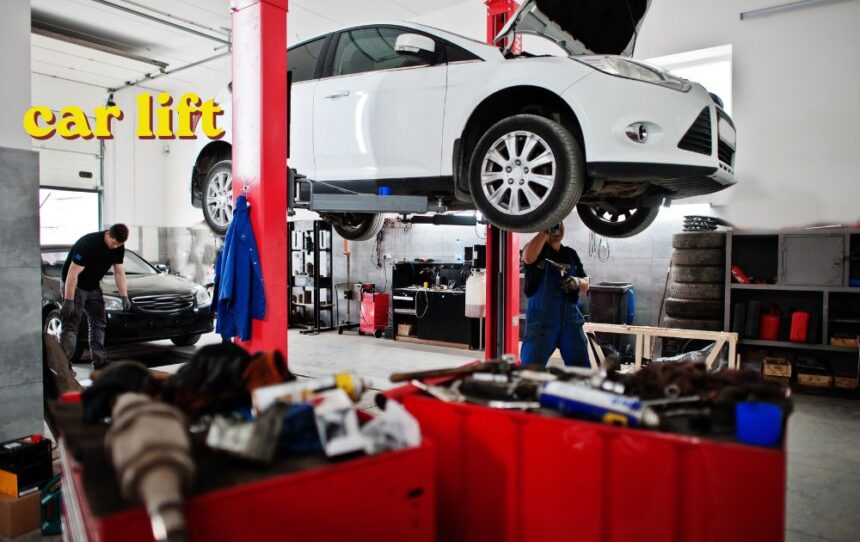
Car lift equipment has changed the way garages operate, and once a workshop starts using one, it’s hard to imagine going back to working on the floor.
A vehicle hoist raises a car off the ground so a mechanic can stand, crouch, or kneel comfortably underneath it, instead of lying flat on cold concrete for hours at a time.
Whether you run a busy commercial garage or you’re setting up a home workshop, choosing the right lift can save you time, protect your back, and make every job faster.
This guide walks through the main types of vehicle hoists, how they work, and how to decide which one fits your space and budget.
Why a Car Lift Matters in Any Garage
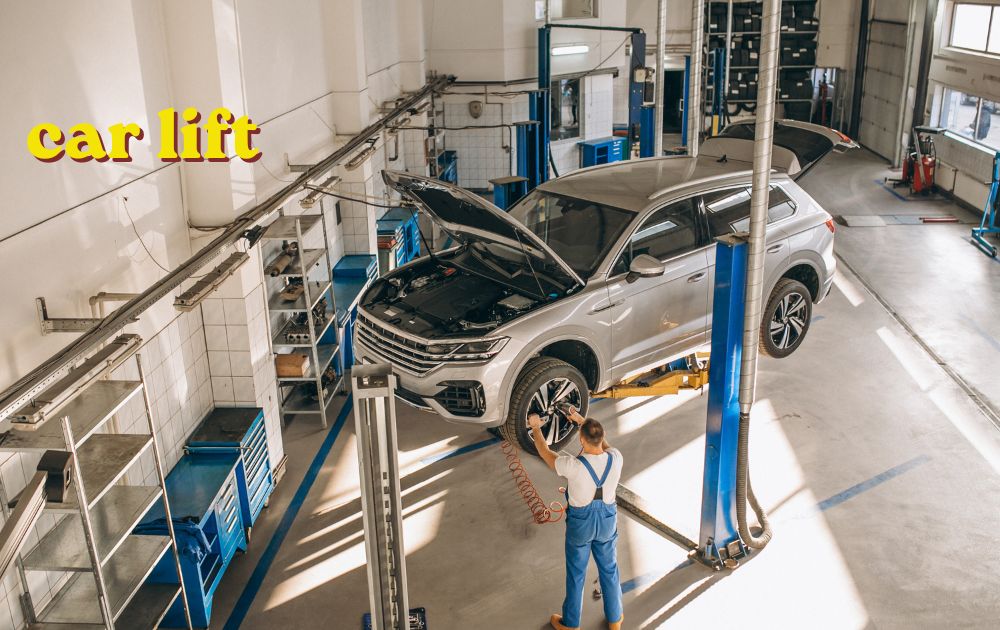
This equipment is one of the most useful tools a garage can own. It’s not just about comfort it’s about safety, speed, and being able to take on jobs that simply aren’t possible on the floor.
Most workshops build their entire daily routine around their hoist. Oil changes, brake jobs, exhaust work, and full inspections all move faster once the vehicle is up at a comfortable working height.
A good vehicle lift also protects the mechanic’s body over the long run. Years of crawling under vehicles on a creeper takes a toll on the back, neck, and shoulders, and a reliable hoist removes most of that strain. Over a full working week, that saved strain adds up to real gains in productivity as well as comfort.
There’s also a business case for investing in good lifting equipment. A garage that can turn cars around faster takes on more work in the same number of hours, and customers notice when jobs are finished on time.
How Does a Car Lift Work?
In simple terms, this equipment uses strong hydraulics to push fluid through a system, raising and lowering the platform smoothly and safely.
This basic idea applies whether you’re looking at a small home-garage hoist or a heavy-duty commercial model.
Most garages choose between two main styles: four-post lifts and two-post lifts. Both use supporting columns to hold the platform steady while the vehicle sits above the ground, but they serve slightly different purposes.
A two-post hoist is compact and ideal for everyday repair work, since it leaves the underside of the car fully open for access.
A four-post model, on the other hand, is better suited to wheel alignment, long-term storage, or heavier vehicles that need extra stability.
Hydraulic fluid pressure is what makes the whole system reliable.
As pressure builds in the cylinder, the platform rises evenly, and a series of safety locks hold the vehicle in place once it reaches the desired height.
Most modern units also include an automatic descent lock, which prevents the platform from dropping even if hydraulic pressure is lost.
The Main Types of Vehicle Lift Explained
Two-Post Lift
The two-post design is probably the most recognisable style in any garage.
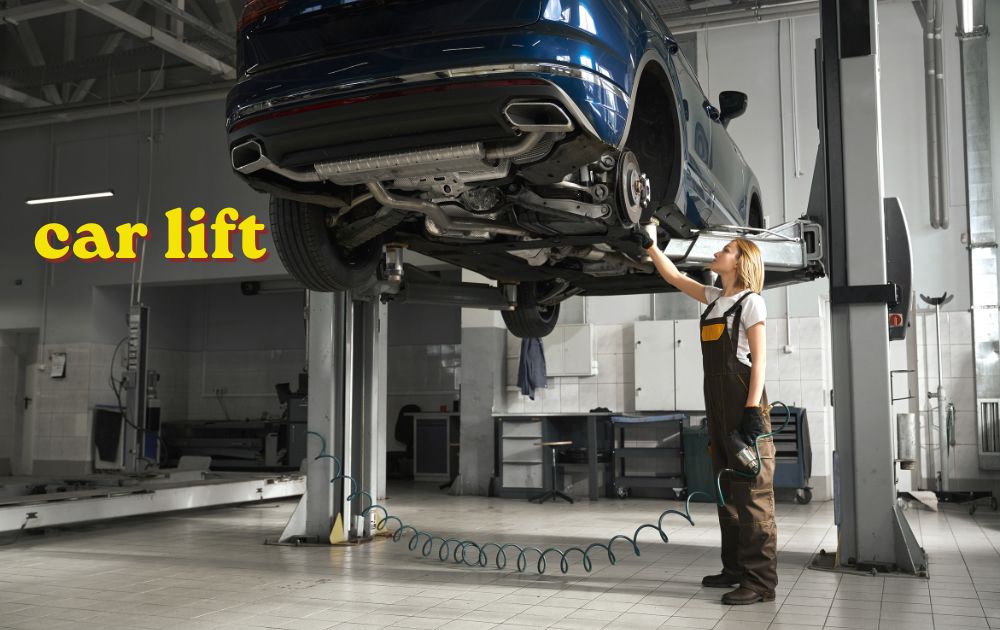
Two vertical columns support the arms that lift the vehicle from four contact points underneath the frame.
This style is popular because it takes up relatively little floor space compared to a four-post model, while still giving the mechanic full access underneath the car.
It’s a strong choice for general repair work, tyre changes, and brake jobs.
Four-Post Lift
A four-post lift uses four separate columns, one at each corner, with a drive-on platform in between.
Because the vehicle simply drives onto the platform, this style is often seen as easier and safer for less experienced users.
Four-post lifts are especially popular for wheel alignment work and long-term vehicle storage, since the car sits securely on a flat runway rather than being held only at four lifting points.
Scissor Lift
A scissor-style hoist works differently from post-style equipment, since it has no columns at the sides at all.
Instead, it uses a scissor-like mechanism placed directly under the platform, which folds and unfolds to raise the car straight up.
This design makes a scissor lift a great space-saving option, particularly in smaller garages where floor space around the vehicle is limited.
Motorcycle Lift
A motorcycle lift follows the same basic idea as a scissor lift but is built on a smaller scale, since bikes need a different size and design compared to full-size equipment.
Many small bike shops choose this style purely because it takes up so little floor space.
Passenger Lift
A passenger lift is not a car lift at all, since it’s built purely for moving people between floors rather than lifting vehicles.
You’ll find this kind of lift in apartment buildings, offices, and other public spaces, and it plays a quiet but essential role in daily life for anyone working or living above ground level.
Cargo Lift
A cargo lift is designed for tough, demanding environments, and its whole build centres on accessibility and strength rather than comfort.
Warehouses and depots rely on cargo lifts daily to move goods rather than people, which is a very different job from lifting a vehicle.
Narrow Lift
A narrow lift is really a collective name for several lift styles that share the same tight footprint.
This matters most in older buildings, where space was never planned around modern lift equipment and knocking through walls simply isn’t an option.
Custom Car Lift Solutions: The FORTIS CAR Example
Beyond everyday garage equipment, some manufacturers take the concept much further.
Hydroware, for example, runs a customised programme called FORTIS CAR, built specifically for tougher jobs than a standard hoist can handle.
Their design team studies each project individually, so every customised solution fits the exact vehicle type it needs to carry, whether that’s for a warehouse, an industrial site, or a standard garage setting.
The materials used in a FORTIS CAR build are chosen to survive harsh environments, which keeps the unit’s availability high even after years of heavy daily use.
Flexible Build Options
A FORTIS CAR-style installation can be built in either a 1:1 ratio or a 2:1 ratio, and it works with both single-stage cylinders and multi-stage cylinders.
That flexibility means this type of lift fits into new buildings just as easily as it fits into existing ones.
Every detail can be shaped around what the buyer actually wants, from the cabin furnishings to the colour choices and exact dimensions.
The integration between the cabin and the support frame gives the whole unit real stability once it’s installed.
This is what separates basic equipment from a build made to last for decades, and it’s a big reason so many complete lift products on the market today borrow ideas from this kind of standard design.
What’s Inside a Well-Built Lift
A handful of small details make a big difference to how long a hoist lasts.
The floor plate is usually made from stainless steel AISI304, while the walls can either match that stainless steel or come as painted panels, depending on the budget.
The support strips are cut from selected material chosen to handle daily wear, and LED lighting is fitted so the cabin stays bright and easy to see inside.
For the owner, these small touches matter over time.
Equipment with properly finished edges and corners, and a smart overall configuration, will hold up far better than a cheap alternative bought purely on price.
Installation and Maintenance Tips
Getting the installation right matters just as much as picking the right model.
Floor thickness, ground levelling, and clearance above the vehicle all need checking before any equipment goes in, and most reputable suppliers will send someone out to survey the site first.
Once installed, routine maintenance keeps a hoist running safely for years.
Hydraulic fluid should be checked regularly, moving parts need periodic lubrication, and safety locks should be tested on a fixed schedule rather than left until something feels wrong.
Many garages build a simple maintenance log into their weekly routine, noting fluid levels, any unusual noise, and the date of the last professional service.
This small habit catches minor issues long before they become expensive repairs.
What Does It Cost to Install a Lift?
Pricing varies a lot depending on style, capacity, and whether the job is a standard installation or a fully customised build.
A basic two-post unit for a small home garage sits at the lower end of the market, while a heavy-duty four-post or custom FORTIS CAR build will cost considerably more.
It helps to think about total cost of ownership rather than just the purchase price.
That means factoring in delivery, installation, any groundwork needed, and the ongoing cost of servicing and safety checks over the life of the equipment.
Financing options, mentioned later in this guide, can make higher-capacity equipment more accessible for smaller garages that don’t want to tie up cash in a single purchase.
Spreading the cost over monthly payments often works out cheaper in practice than delaying an upgrade and losing efficiency in the meantime.
Safety Considerations Worth Knowing
Safety should always come first with any lifting equipment, since a vehicle held several feet above the ground carries real risk if something is set up incorrectly.
Every unit should be installed by a qualified technician and checked against the manufacturer’s load rating before use.
Operators should always confirm the vehicle is centred correctly on the platform or arms before raising it, and safety locks should be engaged fully before anyone works underneath.
Skipping this step is one of the most common causes of workshop accidents involving lifting equipment.
Regular inspections matter just as much as correct daily use.
Many insurers and trade bodies recommend a professional safety check at least once a year, and some workplaces require it more often depending on how heavily the equipment is used.
Training staff properly is another piece of the safety puzzle.
Even experienced mechanics benefit from a refresher on correct loading points, weight limits, and emergency stop procedures, particularly when a garage brings in a new model that works differently from what the team is used to.
Building an Extra Floor Around a Lift
One idea worth mentioning is building on one floor.
It sounds small, but it can unlock hundreds of thousands of new apartments across a country once a lift is installed in older buildings that never had one.
Adding just one extra floor, backed by a working lift, turns unused rooftop space into real, livable homes.
Everyone involved, from the building owner to the new tenant, ends up among the winners in that story.
It’s a good reminder that lift technology isn’t only about cars the same engineering thinking applies well beyond the garage.
What Is the Best Car Lift in the UK?
The best choice in the UK really depends on the job at hand, since a busy commercial garage needs something different from a single-car home setup.
A two-post model suits most everyday repair work, while a four-post lift suits wheel alignment and long-term storage far better.
Buyers should always match the equipment to the actual work they plan to do, rather than chasing the biggest or cheapest option on the shelf.
How to Choose the Right Equipment for You
Picking the right car lift comes down to a short list of factors, and every one of them matters before you commit to a purchase.
Available space is the first thing to check, since a car lift that looks perfect in a catalogue can still be the wrong fit for a tight workshop, so measure your bay carefully before you buy.
The type of work you do most should shape your choice too, because a car lift built for general repairs handles a very different job from one meant for alignment, storage, or tyre work, and each style is optimised for its own task.
Vehicle weight is just as important, since heavier vans and 4x4s need a car lift with a higher rated capacity than a typical hatchback would ever require, and choosing under-rated equipment is a mistake that shows up fast under real load.
Budget rounds out the list, and it pays to think of a car lift as a long-term investment rather than a one-off purchase, weighing the upfront cost against the years of service you’ll get back from it.
Every car lift style carries its own pros and cons, so weighing them against your specific needs is the only way to reach an informed decision between a two-post car lift, a four-post car lift, or a scissor setup and taking the time to get this right now means fewer regrets once the equipment is bolted to your workshop floor.
Common Questions About Buying a Car Lift
Can I collect my order?
Yes, most suppliers allow a direct collection option once your order is ready, so you can save on delivery costs and pick it up in person from the depot on a date that suits you.
Do you offer personal finance?
Many dealers now offer some form of personal finance, which spreads the cost of the equipment across easier monthly payments instead of one large upfront bill. This has made it much simpler for smaller garages to afford proper equipment.
Who makes AMGO lifts?
AMGO is a well-known manufacturer behind a wide range of lifting equipment used across garages and workshops, and its name comes up often among mechanics who want a dependable brand with a long track record in the trade.
What warranty comes with a car lift?
Most products in this space carry a solid warranty, and it’s always worth checking the exact terms before you buy, since coverage length and what it actually protects can vary quite a bit between brands and models.
How long does installation usually take?
A straightforward two-post or four-post installation can often be completed in a single day, though custom builds like FORTIS CAR may take longer depending on site preparation and the level of customisation involved.
Final Thoughts
Choosing the right car lift comes down to matching the equipment to your space, your workload, and your budget.
A two-post model suits fast, everyday repair work. A four-post design suits alignment and storage.
A scissor lift saves floor space, and a custom programme like FORTIS CAR delivers a solution built around your exact needs.
Whatever style you choose, well-built lifting equipment will keep earning its keep for years, making every job under the bonnet faster and safer. Working on the floor ever could which is exactly why the right car lift is one of the smartest investments any garage can make.
FAQs
What is a portable car lift for home garages?
A portable car lift is a compact, movable unit that lets you raise a vehicle safely in a small home garage without permanent installation.
Where can I buy a car lift in the UK?
Most UK suppliers and dealers sell car lifts online or through showrooms, with delivery or collection options available.
Are car lifts for sale a good investment?
Yes, a car lift for sale is a smart investment that saves time, protects your back, and speeds up everyday garage work.
Is a scissor car lift good for small spaces?
Yes, a scissor car lift is one of the best choices for tight garages since it uses no side columns and saves floor space.
What is a 2 post car lift used for?
A 2 post car lift is mainly used for everyday repairs like brake jobs, tyre changes, and general servicing.