A car wrap can change your ride’s whole personality in a single weekend.
I’ve watched plain sedans turn into head-turners after a good wrap job, and the transformation always surprises first-time owners.
There’s something genuinely satisfying about watching a dull, tired-looking vehicle roll out of the shop looking brand new, all without a single drop of paint touching the body.
Over the years, I’ve noticed more and more drivers turning to a wrap instead of a traditional respray, and it’s easy to see why.
It’s faster, often gentler on your wallet, and completely reversible if you ever change your mind down the road.
Whether you’re chasing a bold new colour, protecting your factory paint, or branding a work vehicle, wrapping opens up options that paint alone simply can’t match.
This guide walks through everything you need to know before you commit to a wrap.
From how it works and what it costs, to the pros, the pitfalls, and the upkeep involved, you’ll find the full picture here so you can make a confident, informed decision.
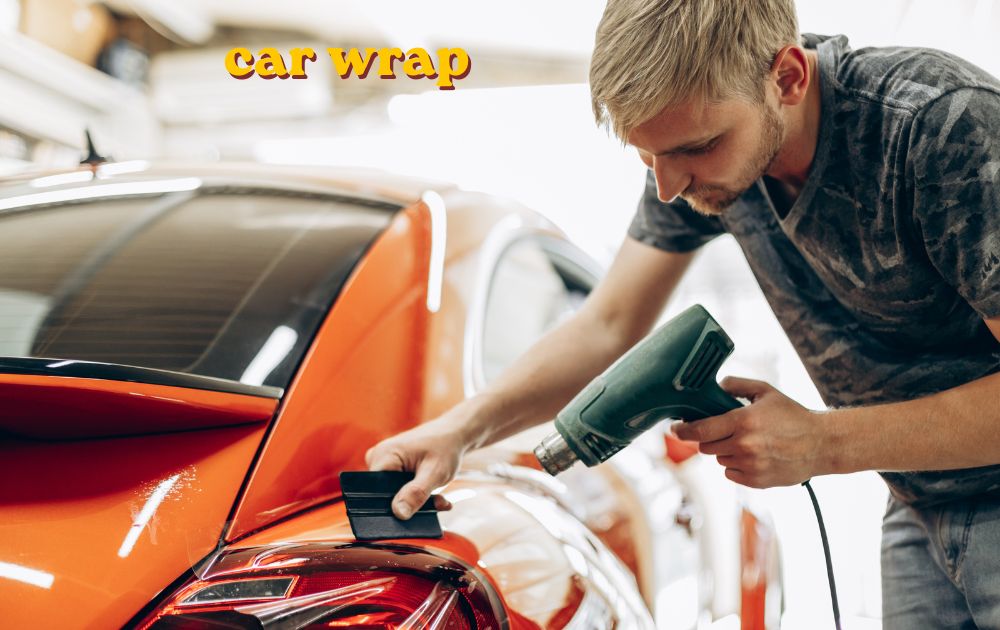
A professionally applied car wrap transforms a vehicle’s finish without touching the original paint.
What Is a Car Wrap?
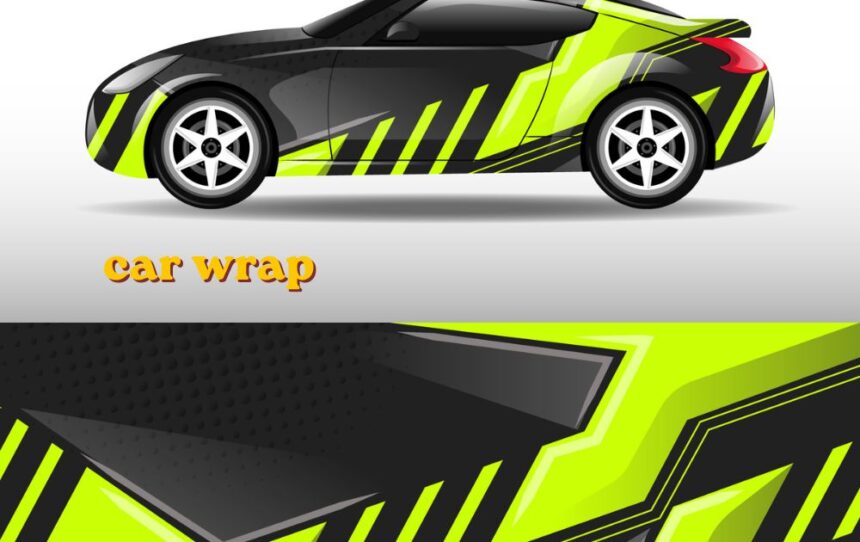
A car wrap uses a vinyl film to change how your vehicle looks without a complicated or expensive paint job.
Instead of a full respray, technicians apply a protective layer over your existing paint.
This layer can be partially covering or completely covering the body, depending on your budget and goals.
You can pick a gloss finish, a matte finish, or even a colour wrap that shifts your car’s colour entirely.
Some people also call this a paint wrap or a paint protection film, since the overlay does double duty.
It protects the paint underneath while giving your car a brand new design.
This flexibility is exactly why so many drivers choose a car wrap over painting.
It’s faster, often cheaper, and fully reversible if your taste changes later.
How Does a Car Wrap Work?
Wrapping your car isn’t a rushed job, and it shouldn’t be. There are three stages involved in every proper car wrap installation.
First, the installer takes accurate measurements of your vehicle.
Next comes printing and laminating the film. Finally, the team manages laying vinyl to each panel one section at a time.
A professionally trained technician handles the surface preparation first, since dirt or grease under the film ruins the finish.
Skipping this step is the most common reason a car wrap fails early.
The plastic vinyl coating sits on top of your vehicle paintwork like a second skin.
It protects against scratches and abrasions while blocking UV damage that fades colours, graphics, and finishes over time.
Get this wrong, though, and you end up with a fiddly job nobody’s happy with.
That’s why choosing an experienced installer matters more than chasing the cheapest quote.
Can a Car Wrap Protect My Car?
Yes, to a real extent. A properly fitted vinyl car wrapping job shields your original paintwork from light scratches and small chips.
It also blocks UV damage from fading your paint over time, which matters a lot if your car sits outside daily.
A quality car wrap adds a real layer of everyday defence.
That said, a wrap isn’t a suit of armor. It doesn’t offer the same defence level as dedicated car paint protection treatments, which use a chemical topcoat bonded directly to the paint.
Think of a car wrap as a helpful shield rather than an impenetrable one. It reduces risk significantly, but it won’t stop every hazard on the road.
Why Get a Car Wrap?
Drivers choose a custom wrap for all sorts of reasons, and honestly, most of them come down to personality.
A car wrap lets you express something paint alone can’t.
Businesses use wraps to advertise, printing a business logo and contact details right onto the vinyl wrap.
Every drive doubles as free marketing exposure across town.
Everyday drivers just want to personalise their car, adding bold patterns or unique designs for a unique look nobody else has.
A car wrap makes that kind of individuality easy.
A wrap is usually cheaper than re-spraying, and once the worn vinyl starts fading, it’s simple to peel it off and replace it. This easy freshen appearance upgrade is hard to beat.
Disadvantages of a Car Wrap
Not every car wrap job turns out well, and I’ve seen the messy side too. Quality really does depend on both materials and installer skill.
Cheap materials and rushed work leave the surface bubbled, thin, and ragged at the edges.
This looks worse than no wrap at all, and it’s hard to fix once it happens.
Unskilled fitters sometimes cut too deep, leaving deep scratches in the regular paint underneath. This kind of damage often costs more to repair than the wrap itself.
If moisture sneaks in, water trapped beneath the film can cause rust.
Removing a damaged wrap sometimes pulls the paint with it during paint removal, which is a costly surprise.
Ongoing care matters too. Bird poo can corrode vinyl faster than paint, and rough brushes or bristles at an automatic car wash wear the film down quickly.
Regular cleaning, done gently, keeps these problems away.
One more thing owners forget: wrapping counts as a modification, so you must tell your insurer about it.
Skipping that step can put your water damage claims at risk of being denied later. It’s a small phone call that saves major headaches down the line.
Does a Car Wrap Affect Resale Value?
A car wrap done right shouldn’t hurt your resale value at all. Since the film sits above the paint, removal typically leaves the paintwork fresh underneath.
There’s usually no paint damage to worry about once the vinyl comes off cleanly.
In fact, a car wrap can elevate second-hand plead in many cases.
Buyers see a protected finish rather than years of sun exposure baked into the clearcoat.
So when you sell car later, a well-kept wrap tends to help rather than negatively affect your asking price.
That protection angle is worth mentioning to future buyers directly. It shows you showed worry for the vehicle’s look from day one.
Types of Car Wrap Options
Wraps come in a few common categories, and choosing the right car wrap depends on your goal. Each type serves a different purpose on the road.
Advertising wraps suit vans and work vehicles, showing off business information and branding wherever they park.
These are common in delivery fleets and local service businesses.
If you’d rather keep your car’s original colour, a clear vinyl wrapping option preserves the original finish using a protective layer that simply guards the paint.
It’s an invisible car wrap that still adds protection.
Want a full transformation instead?Colourvinyl wrapping changes the shade completely, available in matte finish or glossy finish options depending on your taste.
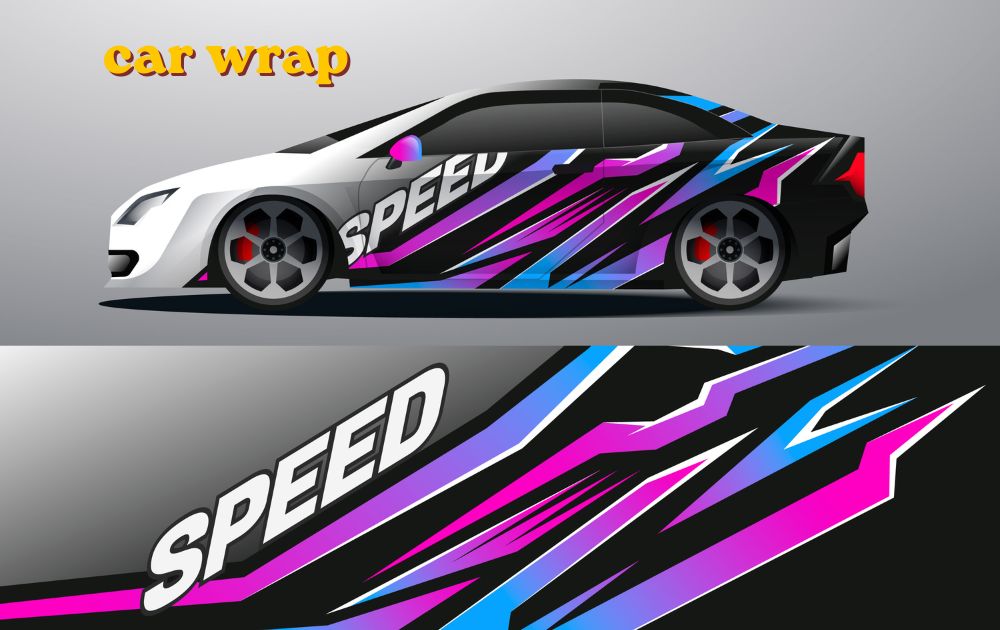
Many shops also offer custom prints, letting you get any image printed directly onto a custom print and applied like a brand statement.
This approach works well when you want to preserve paintwork while still standing out.
Do I Have to Wrap the Entire Car?
Not at all, and this surprises a lot of first-timers. A wrap doesn’t have to cover every panel to make a visible difference.
You can choose to re-colour just your wing mirrors, roof, or door panels. Wrapping only the sections you want changed keeps costs down significantly.
If you’d rather add flair without a full regular wrap, decals or stickers cut by machine offer a simpler pattern option instead.
The application process stays nearly identical either way, since installers still modify the surface carefully around each design. Partial wraps are a great starting point for first-timers.
Car Wrap Maintenance Tips
Keeping a car wrap looking sharp isn’t hard, but it does take a bit of discipline.
A little routine care goes a long way here.
A hand wash is always the safest choice, since drive-through car washes can peel edges or scratch the surface over time. Sticking to hand washing protects your investment long term.
If you need extra power, a pressure washer works fine as long as you keep the pressure and temperature low.
Use a wide-angle spray rather than a narrow jet to avoid lifting edges.
Gentle washing done consistently will extend life significantly, so your car wrap keeps paying off for years.
A few extra minutes of care each wash makes a real difference.
Conclusion
A warp offers one of the easiest and most rewarding ways to refresh your vehicle without touching the original paint underneath.
Whether you want a full colour change, a subtle protective layer, or a bold advertising wrap for your business, there’s an option here that fits your budget, your style, and your daily needs.
What makes wrapping so appealing is the flexibility it offers.
You’re never locked into one look forever, and if your taste changes or the vinyl starts to wear, replacing it is far simpler than booking another paint job.
With the right installer, proper care, and a bit of patience, a wrap can protect your investment while giving your car a personality all its own.
If you’ve been on the fence about wrapping your vehicle, hopefully this guide has given you the confidence to take the next step.
A good wrap, done right, is one of those upgrades you’ll keep enjoying every single time you get behind the wheel.
FAQs
How much does car wrap cost in the UK?
Car wrap cost in the UK usually depends on vehicle size, vinyl quality, and coverage area.
Where can I get a car wrap in Nottingham?
Many local specialists in Nottingham offer full and partial car wrap services with a range of finishes.
Does Halfords offer car wrap services?
Halfords mainly sells car care products, so most car wrap installations are done through dedicated wrap specialists instead.
What colours are available for a car wrap?
Car wrap colours range from matte and gloss to satin, chrome, and colour-shift finishes.
Where can I buy car wrap vinyl?
Car wrap vinyl is available from specialist automotive suppliers and online vinyl wrap retailers