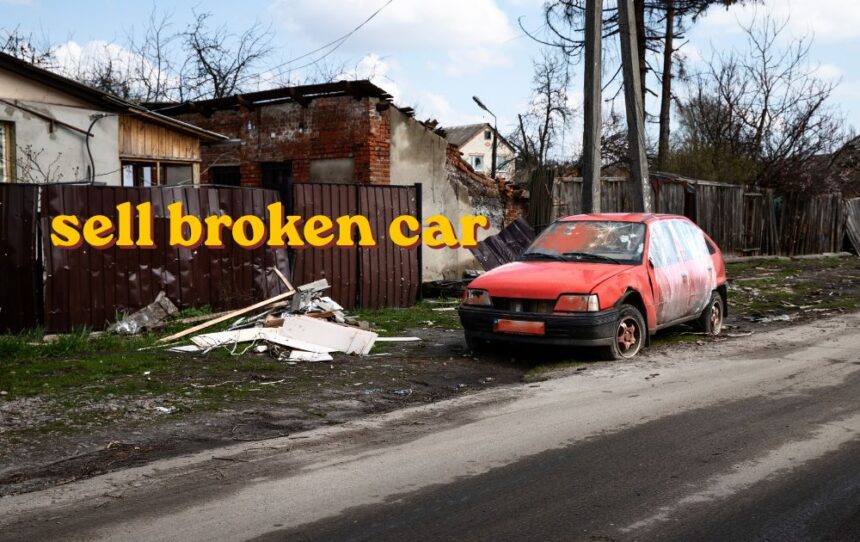
Sell broken car today and stop letting a dead vehicle take up space on your driveway.
Getting rid of a broken car is easier than most owners think.
Whether you deal with a non-running car, a damaged car, or simple broken cars with electrical faults or a worn gearbox, buyers across the UK now offer a free instant valuation in just seconds.
All you need to do is enter your registration, plate, or VIN. Many services skip the back-and-forth entirely.
You get a quote, that quote becomes the price, and there is no haggling, no admin fees, and no deductions hiding in the small print.
I have watched friends sell a broken car parked outside their home and walk away with instant payment landing in their bank account within minutes.
Sometimes payment lands even faster than the collection van arrives.
Trusted car-buying platforms have handled this process for over a decade. The guide to selling a faulty car has not changed much over the years.
Start with real description of the condition. Then let the buyer collect the vehicle anywhere in the country, often within 24-48 hours.
Companies rated Excellent on Trustpilot, some with thousands of five-star reviews, show that selling damaged cars and damaged vehicles has become a mainstream, trusted business.
Many report hundreds of thousands of cars purchased across dozens of branch locations, whether in-branch or through free pickup, every single year.
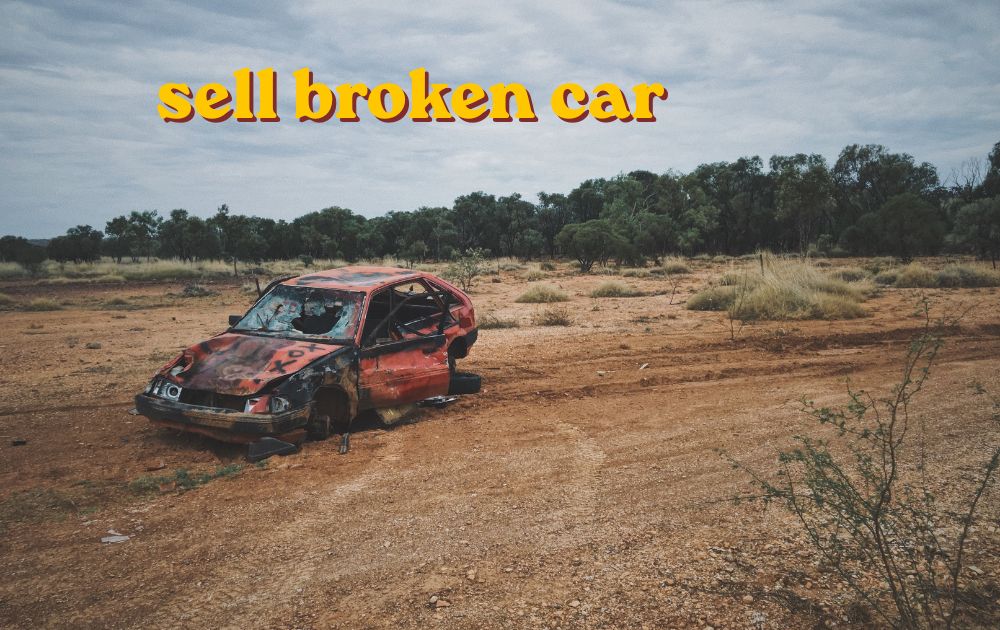
How to Sell Broken Car, Damaged or Non-Running Vehicles
Every model of car, from an everyday hatchback to a premium make, can qualify for sale even after an engine seizure or flood damage.
Buyers ask for your registration number and generate an offer the same day.
Once you accept, they pay the quoted amount with fair market price thinking baked into every step, avoiding hidden fees and hidden charges.
Many trusted buying services aim to make selling cars feel easy, fast, and stress-free.
You can hand over accident damaged cars, fire damaged cars, broken gearbox cars, cars marked Cat D or Cat N, and even outright write-offs.
You still receive fair prices because these buyers specialise in problem cars rather than turning them away.
Payment methods stretch from a simple cheque to wire, ACH, or direct deposit.
Many buyers also settle any outstanding finance owed on the car before releasing the balance to you.
This is a genuinely useful option if your loan outlasted your patience with the vehicle.
Same-day payment, made securely and often immediately, sits at the heart of this trade-in style approach.
It frequently beats a dealer trade-in offer from a traditional showroom.
Getting your car off your hands does not require a spotless MOT history or a running engine at all.
Non-runner cars, cars with electrical faults, and vehicles that simply will not start are all fair game.
A quick call or an online instant valuation usually confirms whether the buyer wants your model.
Most reputable names promise next-day collection across the UK for free, from anywhere you happen to be.
With unrivalled customer service and fair pricing guaranteed, this route beats letting a scrap yard lowball you out of a fair deal.
This is exactly why so many people now choose to sell their broken car online instead of visiting a scrapyard in person.
What Counts as a Broken Car You Can Sell?
Should You Fix or Sell Broken Car Parts Instead?
Before you commit to repairing anything, weigh the car’s current state against its market value.
Pouring money into a vehicle that will never recover that expense often makes sense.
A qualified mechanic can give you an honest quote for repair work. If the fix only involves a new battery, some minor repairs, or basic engine tuning, getting the car running again can be quick and cheap.
But when the cost of repairing outweighs what you would gain from selling, choosing to sell broken car parts or the whole vehicle instead of the workshop route makes far more financial sense.
Insurance categories complicate this decision further, so understanding them protects you from wasted time and money.
Category A or Category B insurance write-offs are only good for crushing or parts. Scrapping or selling remain your only real paths forward in these cases.
Category S damage points to serious structural damage that needs to be professionally repaired before the car becomes roadworthy again.
Category N sits in between, since the car has not sustained structural damage but may still not be driveable.
Getting expert advice before you decide is always worth the profit you protect.
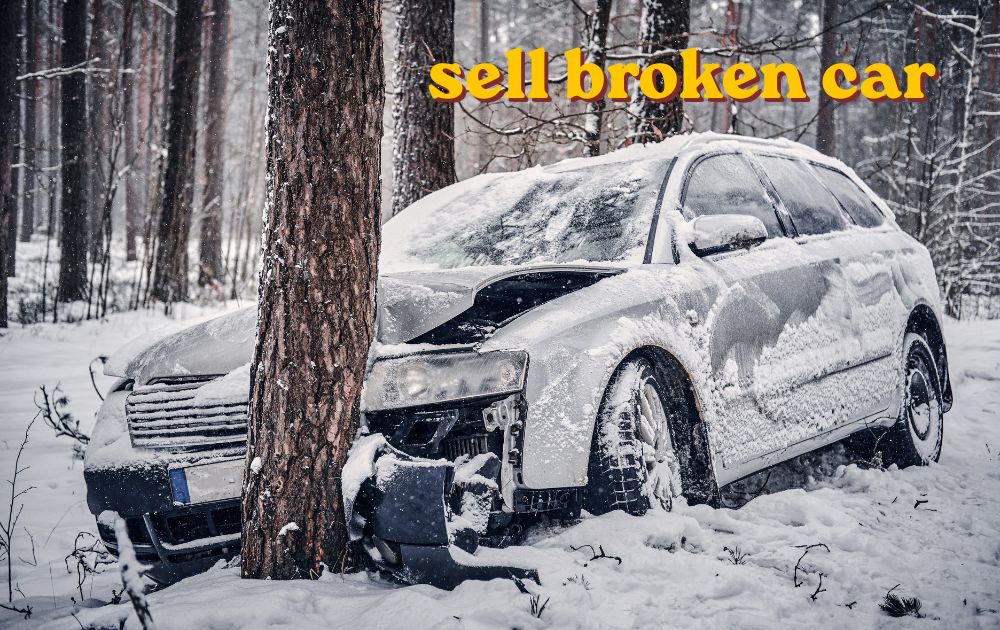
Where Can You Sell Broken Car Vehicles Near You?
Once you decide to sell, take time to research the market and gather valuations. This helps you know roughly what your non-running car is worth before committing to a decision.
Several genuine routes exist beyond the obvious ones, and each suits a different type of seller depending on how much effort you want to put in.
A salvage auction usually beats a traditional car auction for a car that cannot be driven. You should expect a seller’s fee and the hassle of getting the vehicle transported to the auction house.
Selling to a private buyer feels trickier for a non-runner, since the buyer must arrange to have it transported away.
This puts off many prospective buyers unless you stay honest and transparent about the car’s status.
A used car dealership may still want a fixable vehicle as an investment opportunity, especially if their in-house mechanics can get it running quickly.
You will likely need to shop the car around several dealers before landing a solid offer.
Finally, a scrap dealer values the car differently altogether.
They judge it by weight, its worth as a lump of metal, and its raw materials like plastics and fabrics.
This makes scrapping the simplest option when cost matters more than sentimental value.
Whatever route you choose, the smartest move is always to sell broken car vehicles through a trusted, transparent buyer rather than letting the car sit and lose value every month.