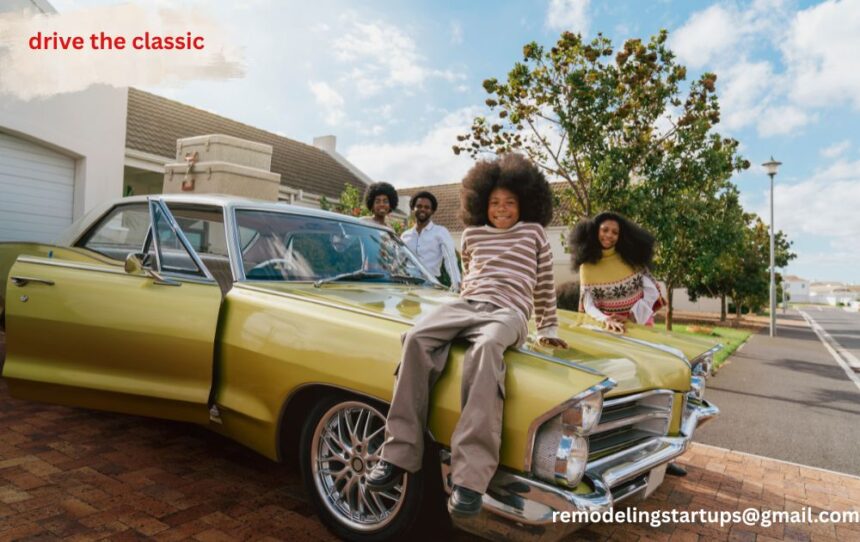
Drive the classic, and something inside you changes the moment your hands touch the wheel. I still remember the first time I turned the key on a car older than me. My hands were shaky, my heart was loud, and I had no idea this single moment would change how I see automobiles forever.
That is the strange magic of classic cars. They do not just move you down a road, they move something inside you too. If you are stepping into this world, welcome. This is everything I wish someone had told me on day one.
Drive The Classic: Why Old Metal Still Pulls At Hearts
There is a reason old metal still pulls at people’s hearts. Nostalgia is not just a feeling, it is the whole point of owning something with timeless designs and powerful engines. Enthusiasts and collectors do not chase these machines for speed alone.
They chase a feeling that new cars simply cannot copy. I have stood in garages full of brand-new metal and felt nothing. Then I walked past one tired old coupe and felt my chest tighten. That contrast is the whole hobby in a single moment.
But here is the honest part nobody admits. Vintage beauties suffer from wear and tear, no matter how loved they are. Paint fades, metal tires, and parts that once purred start to groan.
This is exactly where car body restoration and general restoration earn their place. They help bring tired classic automobiles back to life with real respect for their heritage. Watching a faded shell slowly regain its shape under patient hands is genuinely satisfying.
This world is bigger than restoration shops, though. Many communities source, buy, and sell classic cars and sports cars, while also running automotive events that bring people together. They share classic car adventures and shout out specialist garages on social media.
Scroll through enough of these pages and you start recognizing the same faces, the same cars, the same stories. They get told from slightly different angles, and somehow it never gets boring.
Drive The Classic For The First Time And Feel The Privilege
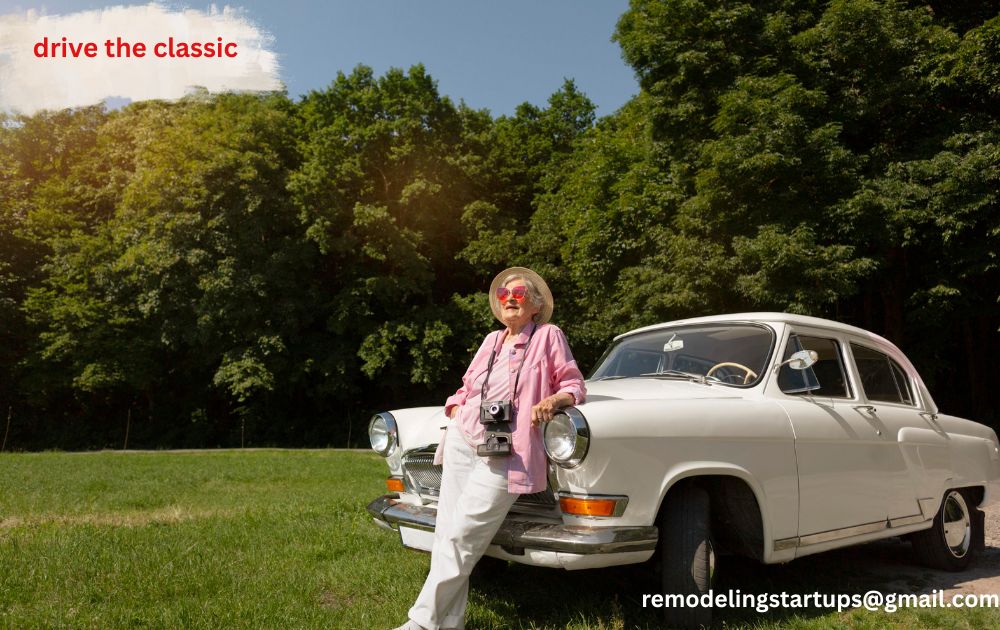
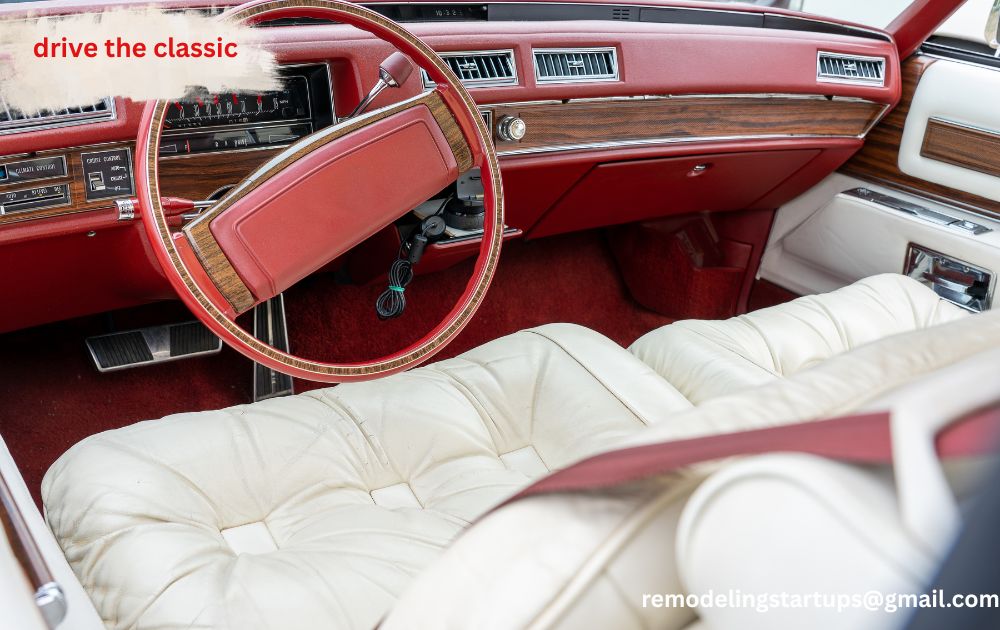
Then there is the moment everyone remembers best, the first drive. Climbing behind the wheel of a classic for the very first time turns an ordinary driver into a custodian of automotive history. It is a privilege, but it also comes loaded with responsibility.
Most first-time owners feel a wave of nerves before they even start the engine. I felt that exact wave myself, hand hovering over the key for a solid thirty seconds before I actually committed.
Tim Earnshaw understands that feeling better than almost anyone. As the founder of Windrush Car Storage, he has spent 20 years guiding clients through this exact moment. He has watched nervous newcomers grow into confident enthusiasts one drive at a time.
It all began with his own classic Morgan, the car that pushed him to start his business two decades ago. He still talks about that first drive with the same anticipation and the same pure joy that hooked him from the start.
Drive The Classic Restoration Process Explained Simply
Good restoration is never rushed, and anyone who tells you otherwise has probably never finished one properly. Classic car restoration is, at its heart, a labor of love. Every single project becomes its own unique journey through automotive history.
I have watched a single fender take three weeks of careful hammering. I have also watched grown adults nearly cry when it finally matched the original curve. That is what this hobby does to people.
This is a specialized and meticulous process. Vintage cars and antique cars slowly get coaxed back toward their original condition, sometimes even pushed past it into a better-than-original state. Many collectors treat their restoration projects as a way to preserve automotive history itself.
There is something almost meditative about watching rust disappear and original lines reappear underneath it. What I have learned from being involved in these projects myself is simple: stay close to the process and ask questions.
The best results happen when owners stay involved to whatever degree suits them. Restoration done with you is always better than restoration done to you. Even standing nearby asking questions teaches you more than any manual could.
Drive The Classic Smartly By Understanding Restoration Costs
Nobody likes talking about money, but ignoring it helps nobody either. Classic car restoration is, without question, a substantial financial investment. Pretending otherwise sets owners up for a painful surprise halfway through a project.
I learned this the hard way myself, watching a “simple” repaint balloon into something far bigger once the team found rust hiding under the old paint.
The real cost of restoring a classic car swings wildly because so many variables come into play. The car’s condition, the parts available, and the shop’s hourly rate all matter. Giving a specific cost before seeing the actual project is close to impossible.
The smartest owners sit down early with restoration professionals and demand detailed estimates. Build a real budget and a realistic timeline around your specific needs. Aligning your expectations with the true financial commitment is the only way to perform restoration without losing your mind.
Drive The Classic Carefully Before You Even Turn The Key
Here is the advice I wish someone had handed me before my own first drive the classic way: slow down. New owners rush, and it is almost universal. The single biggest mistake is rushing straight into the driver’s seat without truly understanding what it means to drive the classic properly, the way people carelessly treat modern cars.
Every classic has its own personality and its own quirks worth getting acquainted with before you drive the classic for the first time. Start with a proper walk-around. Check fluid levels and tyre pressures, and look closely for obvious issues before you even think about attempting to drive the classic out of your garage.
Those who drive the classic life seriously know that classic cars love to develop problems while just sitting quietly in a garage. Supercars often come with strict pre-flight procedures tucked away in dusty manuals that nobody bothers to read, yet every person who wants to drive the classic experience fully should treat those procedures as essential reading.
Owners of Ferraris and Lamborghinis know this better than most. The cars they store often demand specific warm-up procedures before the engine gets pushed hard. Those who truly drive the classic way never skip that step. Skip it carelessly and risk expensive damage that could have been avoided entirely. To drive the classic right is to respect every single step the car asks of you.
Drive The Classic And Know Exactly What To Expect
Palms sweating is normal, genuinely normal. Settling into the driver’s seat for the first time feels strange no matter how prepared you are. This ritual has played out hundreds of times for every classic owner who came before you.
These cars were never built to sit still. They were built to be driven, built to perform, and they reward patience and respect far more than they reward bravado. Pick familiar territory for that crucial first outing.
A route you already know, with minimal traffic and good visibility, works best. This is absolutely not the moment to explore new roads or test performance limits.
Think of those early drives as getting-to-know-you sessions rather than performances. New owners learn exactly how the clutch feels, how the brakes respond, and how the steering communicates. Every classic behaves differently from the last.
Expect steering that feels heavier, especially at low speeds. Expect brakes that demand more pressure or carry a different feel altogether. None of this means something is broken. These are character traits that make each car genuinely unique.
Drive The Classic Like Tim And Learn From His Insights
After two decades quietly working behind the scenes, Tim has collected lessons that no manual will ever teach you, and no YouTube video will ever quite capture. His knowledge did not come from textbooks or training courses. It came from skinned knuckles, late nights in cold garages, and thousands of hours spent simply listening to engines speak.
The first lesson he shares with every new owner is simple, almost disarmingly so: respect the machine. These cars command respect the moment you turn the key and hear them wake up. That sound alone should tell you everything you need to know about what you are dealing with.
A 1960s muscle car was never built with modern safety systems in mind, and it never pretended to be. There are no traction control systems quietly working in the background, no stability programs ready to catch a mistake before it becomes a problem. A classic Ferrari’s brakes were never engineered for sudden panic stops on wet roads at modern speeds.
These machines were designed for a different era, a different pace, and a different kind of driver. Drive within the limits, both yours and the car’s true capabilities, and the relationship between you and the machine stays a deeply rewarding and happy one. Push past those limits without earning the right, and the car will remind you very quickly who is actually in charge.
Weather awareness matters far more than most new owners ever expect, and it is one of those lessons that unfortunately tends to arrive the hard way. Plenty of genuinely beautiful and irreplaceable classics have ended up damaged, or worse, because their owners underestimated how differently a classic handles when the skies turn grey and the roads turn slick. Rain changes everything.
Cold temperatures change everything. The way the car responds, the way it steers, the way it stops, nothing behaves quite the same way it did on a warm dry afternoon. If this is your very first drive in your classic, do yourself and the car a favour and wait for a perfect day. The car will still be there tomorrow, and it will thank you for the patience.
Temperature matters too, perhaps more than most people casually assume when they first take ownership. Classic engines can be genuinely particular, almost temperamental, about being given the time they need to properly warm up before being asked to work hard. Oils need to circulate fully.
Metal components need to expand to their correct tolerances. Pushing a cold classic engine before it is truly ready is one of the quieter ways new owners cause damage without ever realising it in the moment. Sit with it. Let it breathe. Give it the few minutes it is asking for, and it will reward you with everything it has.
Then there is the soundtrack, and this one, Tim admits, took him the longest to truly appreciate and understand. Every classic has its own voice, as individual and distinct as a fingerprint. Learning what counts as normal, what sounds healthy, what sounds happy, and what sounds like a quiet warning, takes genuine time and genuine attention.
A tick that worried you on the first drive might turn out to be perfectly normal for that particular engine. A new sound that appears three months in might turn out to be the early whisper of something worth investigating before it grows louder.
Give it twenty years like Tim has, and you reach a point where you can diagnose issues purely by closing your eyes and listening. The car tells you everything, if you care enough to learn its language.
Drive The Classic Confidently After Your First Few Trips
There is a real transformation that happens inside most owners after their first successful drives, and it is one of those quiet shifts that nobody fully prepares you for.
The nerves disappear, often without warning, and pure joy simply takes over in the most natural way possible. It usually lands around the second or third drive, sometimes sooner, sometimes a little later, but it always comes.
I have noticed the exact moment it happens in friends’ faces, and honestly it never gets old to witness. Their grip loosens on the wheel almost instinctively, their shoulders drop away from their ears, and suddenly they start smiling instead of squinting at every junction and corner ahead.
The whole energy in the car changes. Something settles. Something clicks into place that words struggle to fully capture.
Building real confidence behind the wheel of a classic does not need a complicated plan or an expensive course. It simply needs patience and a willingness to begin small.
Start with short trips in good conditions, familiar roads where you already feel comfortable, then gradually extend your drives as your instincts sharpen and your comfort grows naturally over time. Every extra mile teaches you something a manual never could.
Finding your local classic car community can genuinely accelerate that growth in ways that surprise most new owners. Local car clubs are filled with experienced owners who willingly share what they know, not to show off, but because they remember exactly how those early drives felt.
That generosity is one of the most beautiful things about the classic car world.Ask questions without embarrassment, because every seasoned driver you meet was once exactly where you are standing now.
Plenty of owners have grown into genuinely skilled and deeply confident drivers purely through the experience of owning their classics, picking up lessons along the way that modern cars, with all their safety nets and driver assistance systems, simply do not teach.
There is something about driving a classic that builds a truer, quieter kind of confidence, one that stays with you long after the engine goes silent.
Drive The Classic Safely With These Simple Reminders
Experience teaches one lesson louder than any other: preparation prevents problems. Minor issues left ignored have a habit of growing into major issues, usually at the worst possible time. I have been stranded by something as small as a loose battery terminal.
Keep basic tools and emergency supplies inside the car at all times. Know exactly how to shut off fuel or electrical systems if something genuinely goes wrong. Save contact information for qualified mechanics who understand your specific marque.
A proper classic car maintenance course is genuinely available in most regions and absolutely worthwhile for new owners. After twenty years in this world, the learning never really stops for classics, and that is exactly the point.
Drive The Classic For Life And Build A Real Journey
Your first drive is only the beginning of something much longer. The relationship between an owner and a classic can stretch across decades. Most owners slowly evolve from nervous first-timers into confident enthusiasts who understand every nuance their machines carry.
The real beauty of owning a classic has never been only about driving, even though that part matters plenty. It is the connection that builds over time, the community that welcomes you in, and the skills you slowly learn without even noticing.
That first nervous drive eventually becomes a cherished memory. It also quietly becomes the foundation for everything that follows after it.
There is a founding principle worth carrying from those early days: these are not museum pieces. They are meant to be driven, enjoyed, and genuinely celebrated. Every time you drive the classic in your garage, you are quietly keeping automotive history alive.
The road ahead holds plenty of incredible experiences still waiting to happen. Drive safely, drive respectfully, and most importantly, enjoy every moment. Years from now, you will tell your own version of this story to someone standing nervously by their first classic.
There is something humbling about all of this too. Every classic car carries a story that started long before you arrived and will continue long after you move on. Owning one is really just a temporary chapter in a much longer book.
Nobody becomes an expert overnight, and nobody is supposed to. The whole appeal of this hobby is the slow climb and the small wins. Stay patient with yourself the same way you stay patient with the car, and drive the classic for everything it is truly worth.
FAQs
What classic cars are available for sale on I Drive a Classic?
You can find a wide range of vintage and collector vehicles listed for purchase on the platform.
Who is Steph from I Drive a Classic?
Steph is a popular personality associated with the I Drive a Classic channel, known for her love of classic cars.
What is Steph from I Drive a Classic net worth?
Her exact net worth is not publicly confirmed, but her growing online presence suggests a successful career in the automotive niche.
How old is Steph from I Drive a Classic?
Steph’s exact age has not been officially disclosed to the public.
What is the Steph I Drive a Classic weight loss story?
Steph has openly shared her personal health and wellness journey, inspiring many fans along the way.