Toothpaste tablets are having a proper moment right now, and honestly, it’s about time.
For decades we’ve been squeezing plastic tubes until our knuckles turn white, then binning them the second they’re empty, never to be recycled, never to biodegrade, just sitting in landfill looking smug.
Toothpaste tablets change that story completely.
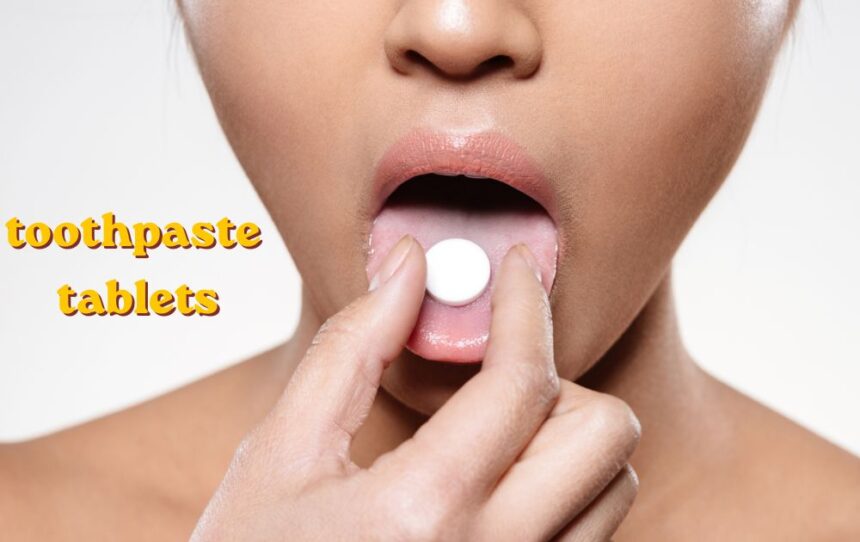
Pop one in your mouth, chew it up, add a splash of water, and watch it turn into a foamy paste that cleans your teeth exactly like the stuff you grew up with. No tube. No fuss. No guilt.
If you’ve spent any time scrolling eco-friendly bathroom swaps, plastic-free dental care, or sustainable oral hygiene hashtags, you’ve probably already seen these little pucks popping up everywhere.
They’re small, they’re weirdly satisfying to crunch, and they’re finally good enough to replace the paste you’ve used your whole life.
Why Toothpaste Tablets Are Suddenly Everywhere
There’s a reason toothpaste tablets have gone from niche eco-product to bathroom cabinet staple almost overnight.
People are tired of single-use plastic packaging, tired of throwing away tubes they can’t recycle, and tired of feeling like good dental hygiene has to come with an environmental cost.
Toothpaste tablets solve that problem in one clever little format.
They’re usually sold in glass jars or cardboard boxes, both of which are properly recyclable, unlike the mixed-material tubes most of us grew up squeezing.
Swapping to toothpaste tablets is one of those changes that feels almost too easy, given how much plastic it quietly removes from your daily routine.
They’re also lighter, more compact, and easier to travel with. No more worrying about liquid limits at airport security or a burst tube ruining your washbag.
Toothpaste tablets simply don’t have that problem.
What Exactly Is Chewable Toothpaste?
Chewable toothpaste is essentially toothpaste in solid, pre-measured form.
Instead of squeezing paste from a tube, you chew a small tablet until it breaks down into a foamy texture, similar to what you’d get from traditional paste once mixed with saliva and a bit of water.
The ingredients list usually includes calcium carbonate, sodium bicarbonate, xylitol, and natural flavouring like peppermint oil or spearmint extract, all working together to clean, freshen, and polish your teeth.
Many brands also add silica for gentle abrasive cleaning power, helping lift surface stains without scratching enamel.
Because chewable toothpaste is dry until activated, it doesn’t need the preservatives or thickening agents that wet paste requires to stay stable in a tube.
That means a shorter, cleaner ingredients list overall, which appeals to people trying to simplify their bathroom shelf.
Toothpaste Tablets With Fluoride: Yes, They Exist
One of the biggest myths floating around is that going plastic-free with your dental care means giving up fluoride protection. That’s simply not true anymore.
Plenty of toothpaste tablets with fluoride are now widely available, offering the same cavity protection as your usual supermarket paste, just without the plastic tube attached.
Fluoride works by strengthening tooth enamel and helping to reverse the very early stages of tooth decay before they become a proper problem.
Toothpaste tablets with fluoride deliver that exact same benefit, just in solid form.
Dentists generally recommend sticking with fluoride formulas if you’re prone to cavities, have sensitive teeth, or simply want the reassurance of a clinically proven active ingredient.
If you’re switching from standard paste and cavity protection is non-negotiable for you, look specifically for tablets labelled with fluoride content, usually measured in parts per million (ppm), so you know exactly what you’re getting.
How To Use Toothpaste Tablets Properly
Using toothpaste tablets is refreshingly simple once you get the hang of it, though it does feel a little unfamiliar the first time.
Here’s the basic method most brands recommend.
Chew one tablet thoroughly until it breaks down into a gritty paste. Don’t swallow it. Add your toothbrush, wet with a small amount of water, and brush as you normally would for a full two minutes.
The tablet will foam up slightly as you brush, much like traditional paste does, and it’ll taste minty and familiar rather than strange or medicinal.
Most people need just one tablet per brushing session, so a jar of 60 typically lasts around a month for one person. If you’re buying for a household, simply multiply the quantity accordingly.
It sounds obvious, but plenty of first-time buyers under-order and run out within a fortnight.
Toothpaste Tablets UK: What To Look For When Buying
Searching for toothpaste tablets UK stockists brings up a growing number of options, from small independent brands to bigger names now dipping into plastic-free ranges.
Not all toothpaste tablets are created equal though, so it’s worth knowing what separates a decent one from a disappointing one.
Look for tablets that dissolve easily without needing excessive chewing, since some cheaper versions can feel chalky or take forever to break down.
Check whether fluoride is included if that matters to you, and look out for certifications like vegan, cruelty-free, or COSMOS Natural, which confirm the product meets recognised environmental and ethical standards.
Packaging matters too. The best toothpaste tablets UK brands use glass jars or cardboard boxes rather than sneaking plastic back in through the container.
If the packaging defeats the purpose, the whole point of switching gets lost.
Toothy Tabs: The Nickname That Stuck
You’ll often see toothpaste tablets referred to affectionately as toothy tabs, especially across social media and review sites.
It’s a nickname that captures exactly what they are: small, chewable, slightly novel little tabs that somehow replace an entire tube of paste.
Toothy tabs have built something of a cult following among people who’ve made the switch and never looked back.
Once you get past the initial “wait, I chew it first?” learning curve, most users say they can’t imagine going back to a traditional tube.
There’s something oddly satisfying about the crunch, the foam, and knowing you’re not adding another plastic tube to landfill every few weeks.
Are Toothpaste Tablets Actually Worth It?
This is the question everyone asks before switching, and it’s afair one. Traditional paste is cheap, familiar, and does the job. So why bother changing?
The honest answer is that tablets cost slightly more per use than budget supermarket paste, but less than premium tubes, and the environmental payoff is significant.
A typical household gets through dozens of plastic tubes a year, almost none of which get recycled properly due to mixed materials. Tablets remove that waste stream entirely.
They’re also genuinely travel-friendly, spill-proof, and last a surprisingly long time once you factor in that each tablet is pre-measured, so there’s no accidental over-squeezing wasting product.
For anyone serious about reducing plastic in their bathroom, tablets are one of the easiest swaps to make, and one of the most noticeable in terms of impact.
How Sustainable Are Toothpaste Tablets?
Most tablets score well on sustainability metrics, largely thanks to their packaging and formulation.
Glass jars are infinitely recyclable and can be reused at home for storage once empty.
Cardboard boxes break down naturally and are widely recyclable through standard council collection.
The tablets themselves are typically made from plant-based or naturally derived ingredients, avoiding the synthetic fillers and thickeners found in many conventional pastes.
Brands carrying certifications like COSMOS Natural have been independently assessed against strict environmental and ingredient standards, giving buyers real confidence rather than vague green marketing claims.
Compare that to a standard plastic tube, which combines multiple layers of material that are almost impossible to separate for recycling, and the difference in environmental footprint becomes obvious pretty quickly.
Do tablets actually clean teeth as well as regular paste? Yes, most formulas clean just as effectively, especially those containing fluoride and gentle polishing agents.
Can I use tablets with braces or sensitive teeth? Many brands make sensitive-friendly versions, though it’s worth checking the ingredients list first if you have specific concerns.
How long does one jar of tablets last? A standard jar of 60 tablets usually lasts around one month for a single person brushing twice daily.
Are tablets safe for children? Some brands offer child-friendly versions, but always check the recommended age and fluoride content before giving them to kids.
Do tablets taste different from normal toothpaste? They taste fairly similar once chewed and mixed with water, usually minty and familiar rather than odd or medicinal.
Final Thoughts
Tablets have gone from a niche eco-experiment to a genuinely solid replacement for traditional paste, fluoride included.
Whether you know them as chewable toothpaste, toothy tabs, or simply tablets UK shoppers can’t stop talking about, they solve a plastic problem that’s been sitting in our bathrooms for far too long.
Once you make the switch to toothpaste tablets, going back to a squeezy tube starts to feel a bit old-fashioned.
FAQs
Can I buy toothpaste tablets from high street pharmacies?
Yes, toothpaste tablets are now widely stocked in pharmacies and health stores across the UK.
Do toothpaste tablets contain fluoride?
Many toothpaste tablets do contain fluoride, so you don’t have to choose between eco-friendly and effective.
What are the best toothpaste tablets to buy?
The best toothpaste tablets are ones with fluoride, a natural ingredients seal, and a taste you’ll actually stick with.
Are toothpaste tablets available in the UK?
Yes, toothpaste tablets are readily available across the UK, both online and in stores.
How do you use toothpaste tablets?
Chew one tablet, add a splash of water on your brush, then clean your teeth as normal for two minutes.