When you are finally ready to get cruising toward your destination, knowing how to turn on a car safely is your very first step. A smooth take-off and a controlled finish show you have great control of your vehicle. Your instructor will walk you through the basic steps of starting the engine during your very first 1-hour session, ensuring you do not panic. Mastering these foundational skills over 2 or 3 lessons forms the backbone of your entire training layout.
Before You Learn How to Turn On a Car
Proper set-up begins the moment you settle into the driver’s seat and buckle up your safety seatbelt tightly. You must adjust your seat so your feet comfortably reach the pedals, position the steering wheel correctly, and align your side and rearview mirrors.
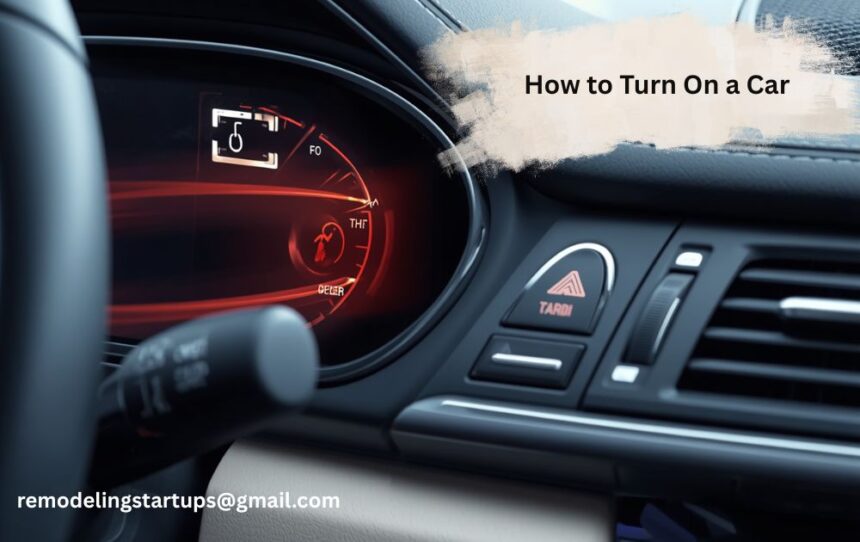
Take a moment to familiarize yourself with the vehicle controls before figuring out how to turn on a car. Look closely at the gearless or geared setup, the keyhole on the ignition, or the engine start dashboard button if you are driving a newer model with a keyless ignition and a spare fob inside.
How to Turn On a Car with a Manual Transmission
To get a manual transmission moving safely, make sure your handbrake is fully pulled up and your gear stick rests in neutral so the gearbox is not in gear. Knowing how to turn on a car with a clutch requires careful foot coordination.
Press the clutch pedal entirely down to the floor using your left foot before you twist the key in the ignition or push the start button. Rotate past the first two stops labeled ACC for accessories (which powers your radio and other electrical accessories) to the spring-loaded ON position. Let go immediately when the engine fires up to avoid an ugly grinding sound from the starter.
How to Turn On a Car with an Automatic Transmission
Starting an automatic car requires an entirely different layout since the automatic gearbox simplifies your footwork down to just two pedals. First, ensure your gear selector rests firmly in Park or Neutral because the built-in neutral safety switch prevents the starter from engaging if the car is in gear.
Next, master how to turn on a car smoothly by pressing and holding the brake pedal with your right foot. While resting your left foot on the flat rubber dead pedal pad, turn the key from AC to ON and hold it briefly at START before shifting into Drive.
How to Move Off Safely After You Turn On a Car
Moving off smoothly from a parked or stationary position requires careful coordination and thorough safety checks. Once you figure out how to turn on a car, you must perform observations before you ever enter the traffic flow.
Look over your shoulder to check your blind spot, signal your intentions using your indicator for at least 3 seconds, and check your mirrors to ensure the road is clear. In a manual car, gently add pressure to the accelerator with your right foot while slowly lifting your left foot to find the bite point where you feel a slight vibration, then release the handbrake so you do not stall.
How to Stop a Car?
Stopping your vehicle safely should always feel like a highly controlled process rather than a sudden or jerky action that surprises other drivers. Always check your mirrors first, signal left, and look ahead to plan exactly where you want to bring the car to a rest.
Using the ABC method, ease your foot off the accelerator, press the brake smoothly, and depress the clutch right in just before you come to a complete stop before pulling the parking brake up.
Troubleshooting: When You Don’t Know How to Turn On a Car Due to Faults
If your vehicle failed to start on a cold morning, stay calm and systematically check if a safety device like the steering lock has engaged. If the key will not move past the first notch, it will block your attempt on how to turn on a car.
Gently jiggle or shake the steering wheel back and forth while firmly pressing down on the brake pedal or clutch pedal. If the car still makes clicking noises or refuses to turn over, you might need a mechanic to troubleshoot a dead battery, jump the system, or check if you need a new alternator or starter.
How to Turn On a Car and Drive Safely
Stalling happens to almost all manual drivers during their early days when the clutch is released too quickly and the engine suddenly cuts out. If this occurs, stay calm, apply the brake, turn the key off, shift the gear stick back into neutral, and practise restarting your engine slowly.
Stalling counts as a Critical Error on an official driving test. Learning the exact sequence of how to turn on a car again through steady practice will keep you from experiencing any roadway panic.
How to Turn On a Car: Manual Learning Curve
Many learners prefer automatic cars because they eliminate the stress of manual gear changes and managing a physical clutch. However, passing your test in a manual gives you much more freedom and flexibility with your future driving licence.
How to Turn On a Car: Moving Off Practice
Most learners build solid confidence and master smooth clutch control within their first few structured driving lessons. It simply takes a bit of time to master the muscle memory required to coordinate your feet perfectly.
Is stalling dangerous?
No, stalling is completely normal for beginners and rarely causes real danger if you remain calm during the recovery process. The key is to secure the vehicle and safely restart your engine without rushing your foot movements.
Does it help to turn off the heater, radio, and other accessories?
Yes, if your car experiences unexpected trouble starting, turning off the heater, radio, and other accessories helps significantly. This action preserves vital battery power so the starter motor can crank the engine efficiently when you attempt how to turn on a car.
Do I need to have my foot on the brake to start a car?
Depending on the manufacture year of the vehicle, modern safety standards often require your foot to rest firmly on the brake. From a pure safety standpoint, this prevents the motor vehicle from jumping forward unpredictably when starting.
Identify your pedals: clutch, accelerator & brake
A manual car features three pedals arranged from left to right: the clutch, the brake, and the accelerator. You operate the left pedal exclusively with your left foot to change gears and prevent stalling when stopping or slowing down.
Your right foot handles both the middle pedal to slow down or stop and the right pedal to increase your speed and feed power to the wheels. Understanding these pedals makes it much easier to learn how to turn on a car.
Understanding the Gear Stick
The gear stick in a manual car allows you to select 1st gear for moving off, plus higher gears up to 5th or 6th gear for building speed. You also use it to select reverse or neutral, ensuring no gears remain engaged while the vehicle sits idly. An automatic car utilizes a gear selector featuring simple options like P for Park, R for Reverse, N for Neutral, and D for Drive.
Understanding the Handbrake
The handbrake serves as a vital mechanical safety feature that prevents your stationary car from rolling away while parked. Drivers will find either a traditional lever located between the front seats or a modern electronic switch or button on the dashboard. Always keep this system engaged while learning how to turn on a car, and only release it when your feet are completely ready to move off.
Instructor Insights
Our Head of Trainer Development, Paul Wrigglesworth, emphasizes that successful moving off centers entirely around smooth control rather than raw speed. When a pupil slows down and focuses on precise clutch control, their driving confidence increases almost immediately. Furthermore, teaching progressive braking from lesson 1 helps students view stopping as a gradual, controlled process that builds excellent road awareness.
More Troubleshooting: Movement Mistakes
If the vehicle jerks violently during moving off, you likely released the clutch too quickly or applied too much accelerator during your rushed movements. If the car jolts uncomfortably when braking, you are likely pressing the brake too sharply without easing off the fuel pedal first.
To prevent a manual vehicle from rolling back on a hill, practice finding your bite point with the handbrake engaged. Mastering this before adding acceleration helps you master a hill start right after you figure out how to turn on a car.
Safety Tips for New Drivers
Maintaining smooth control keeps you safe, but baseline roadway safety always dictates that you buckle your seatbelt before moving. Check your mirrors constantly before changing your speed or direction, and never rush your clutch or brake movements. Keep both hands firmly on the steering wheel, eliminate interior distractions, and maintain safe distances from other vehicles to improve your spatial awareness.
Where should you practice this?
When learning these routines, find an empty car park or a wide, flat street with zero active traffic to practice. Having plenty of open space reduces your anxiety and gives you a forgiving environment to make mistakes safely.
Learn How to Turn On a Car in Very Cold Weather
Trying to start a classic car in very cold weather requires special care if the vehicle uses an old-school carburetor engine instead of modern fuel-injected systems. On vehicles built before 1990, the standard rules of how to turn on a car change slightly.
You must “pump the gas” pedal a few times so the carburetor mechanical device can squirt liquid gas into the air intake. Be careful not to cause a flooded engine, as too much liquid fuel will not easily burn if it saturates the combustion chamber.
How do I start a car that hasn’t been touched in years?
Reviving a classic vehicle that has been sitting for a long time requires a thorough visual inspection under the hood to spot hidden problems. You must drain and change the old gas, oil, and oil filter before attempting to recharge or replace the dead battery. If a valuable machine has spent years idle, hire a professional mechanic to perform a detailed inspection before cranking the engine.
Tips
To prevent manual vehicles from rolling, always set the parking brake firmly before depressing the clutch pedal down. Note that certain European vehicles, like a Renault, utilize a specialized immobilizer setup where you must press the lock/unlock button on the key fob before the engine will start.
Warnings
Never treat multi-ton manual transmission cars like toys or simple play things, as careless errors can cause serious injury or death. If you turn the engine on while the car is in gear, the vehicle will lurch forward or backward, which can damage property or injure a living being.
Never keep cranking a stubborn engine for longer than 60 seconds within a five-minute period. If you do, you will completely burn out the electric starter engine and face an expensive replacement, so always follow the proper guidelines on how to turn on a car.
FAQs
How to turn on a car for the first time without letting anxiety take over?
Take a deep breath, adjust your mirrors, securely buckle your seatbelt, and remember that every great driver once sat exactly where you are right now.
How to turn on a car with a button rather than a standard key?
Make sure your electronic key fob is inside the cabin, press down firmly on the brake pedal, and push the engine start button once.
How to start a car automatic gearbox safely every single time?
Keep your right foot pressed on the brake pedal, ensure the gear selector is in park, and turn the ignition key forward to start.
How to start a car manual transmission without accidentally stalling?
Press the clutch pedal entirely down to the floor with your left foot, verify the gear stick is in neutral, and twist the key.
How to turn off car with key when you safely reach your destination?
Bring the vehicle to a full stop, firmly engage your handbrake, shift into park or neutral, and rotate the key backward to stop the engine.