
Engaging in diy auto repair projects ensures ultimate safety and well-being on the road while protecting your wallet from high garage bills. When I was recently at the Ford shop with a friend who was getting some routine maintenance done, I noticed a mechanic wanted over $400 just to change the fuel filter, flush the transmission, and replace the power steering fluid.
As a long-time automotive writer and enthusiast, I knew that anyone can manage this common tool-based project using a basic car jack, a lug nut wrench, a socket set, and a c-clamp to compress the caliper. If you inspect your wheels and notice reduced braking performance, a harsh squeaking sound, or thin friction material, it is time to purchase replacement parts from an outlet like Online Automotive.
Working in your own garage allows you to perform these vital maintenance servicing schedules to save cash and prevent wear and tear from creating costly damage to other parts of the system. According to Matthew Wright from About.com: Auto Repair, you only need basic time to handle projects ranked at skill level 1, 2, 3, or 4, while changing brake pads scores a moderate 6, leaving levels 7 to 10 for an advanced tinkerer.
Our favorite contributor Turbo from the Discovery networks reminds us to look out for green option pads and to consult local government pages to find a proper used brake pad recycling program for safe disposal of old components.
Change Your Spark Plugs via DIY Auto Repair
When starting a diy auto repair routine, maintaining an efficient fuel/air mixture keeps your motor running cleanly. Over time, normal operation causes electrodes to wear down, which ruins your combustion cycle.
I always tell folks learning diy auto repair that expensive specialty plugs are rarely worth the high price. To start, grab a standard socket wrench to remove the old firing units and screw in the new plugs.
Expert automotive writers often compile helpful guides detailing how easily a novice can master this specific diy auto repair job.
You can find affordable parts on Amazon starting at $15, making this a quick skill level 2 diy auto repair task. If you read through top diy auto repair manuals, you will see that you don’t need a professional garage.
Replacing Windshield Wiper Blades as a Quick DIY Auto Repair
When executing a diy auto repair, maintaining crystal-clear visibility through your windshield during sudden rain, heavy snow, or blinding debris is crucial. It is incredibly easy to tell when your blades are completely toasted because they leave annoying streaks right across your direct line of sight.
When you hit your washer button and notice poor performance, skip the repair shop entirely for this simple diy auto repair. Buy a set of replacement blades matched to your specific vehicle model.
I highly recommend picking up premium name brand options like ANCO, Trico, or Bosch to improve your diy auto repair results. Their high-quality rubber provides superior UV protection and lasts significantly longer than generic economy blades.
To complete this diy auto repair installation, simply lift the metal wiper arm away from the glass. Follow the package installation instructions to slide the old unit off, and snap the new one firmly into place.
Maintain a secure, steady grip on the bare metal arm during the swap so it doesn’t snap back and crack the glass. Taking five minutes to conquer this crucial diy auto repair task at home will keep you secure during all weather conditions.
Power Steering Flush / Change Power Steering Fluid
Over time, the oil inside your steering system breaks down, but you can save a bundle by performing a quick fluid swap right inside your home garage. While a professional repair shop might bill you anywhere from $30 to $100 for this service, you can complete a 90 percent refresh using a clean turkey baster and a quart of fresh oil for just $5 and up.
First, make sure the engine is completely off, open the engine compartment, and use your baster to siphon the dark, contaminated fluid out of the plastic fill canister reservoir. Be careful not to draw the liquid all the way up into the rubber bulb, as the caustic oil can quickly degrade the material and cause unexpected tool failures.
Discharge the old, dark liquid into a secure plastic container so you can easily transport it to a certified local oil recycling facility later on. Next, top up the reservoir with fresh fluid, start the vehicle, and turn the steering wheel back and forth several times to circulate the clean mixture through the internal mesh filter screens.
Repeat this extraction process three or four times until the fluid inside the tank consistently displays a clean, light honey color. Industry authorities warn that you should never use a universal power steering fluid or add miracle additives and stop-leak products, as they can clog the system and cause catastrophic damage.
Replace Fuel Filter with DIY Auto Repair Methods
A clogged fuel filter restricts line pressure, reduces your reliability, and destroys your engine’s overall efficiency over time. To keep up with your essential maintenance schedule, plan on replacing this part at regular intervals ranging anywhere from 10,000 miles and up.
To safely complete this skill level 3 task, start by disconnecting the negative battery terminal and safely releasing the high fuel line pressure, which is especially important for modern fuel injected vehicles.
Next, carefully disconnect the line from the old canister, swap out the sealing washers, and mount your new filtering unit in the correct direction of flow. Once you secure the connections, start the vehicle and inspect the area closely to ensure you have zero leaks before hitting the open highway.
Be sure to check with your local government to see if they offer a dedicated fuel filter recycling program so you can ensure eco-friendly disposal of the old unit.
Windshield Repair
Tackling minor rock chips early prevents them from spreading into sprawling cracks that require a full, expensive glass replacement. You can restore your view in about 45 minutes using an affordable do-it-yourself windshield repair kit that costs around $5 at any local auto parts store.
This home remedy works best on small star chips with minimal radiating damage, allowing you to restore structural integrity with ease. Start by cleaning a 12 inch square area around the impact point with standard glass cleaner, then use a sharp razor blade to scrape away any loose glass fragments from the center of the defect.
Next, mount the kit’s custom plunger apparatus directly over the chip to force the specialized liquid adhesive deep into the damaged layer of glass. Make sure you do not complete this project under the blazing hot sun, as the resin will cure far too quickly and fail to leave a perfectly smooth, clear finish.
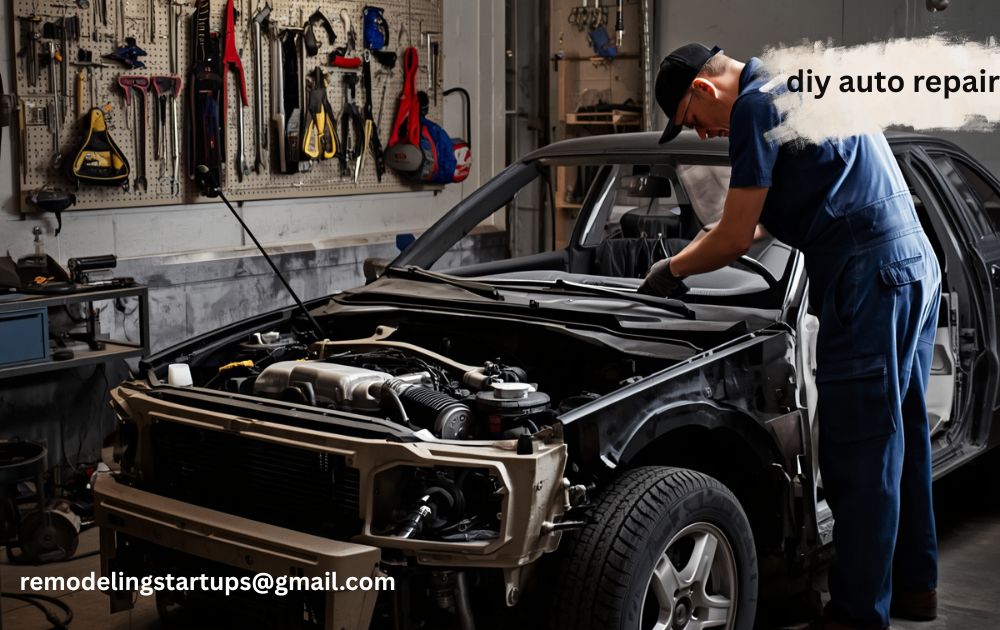
Transmission Fluid Replacement as a Key DIY Auto Repair Project
Performing a classic transmission fluid replacement at home keeps your gears shifting smoothly without risking the mechanical issues often caused by high-pressure shop flushes. Many experienced mechanics advise that a forced transmission flush can dislodge hidden debris and cause severe internal transmission problems in older vehicles.
The traditional method is much safer: raise your vehicle using a reliable jack along with a sturdy pair of jack stands, then step underneath to loosen the pan bolts. Make sure you position a large plastic container with a secure lid directly underneath to catch the draining contaminated oil without making a huge mess on your floor.
While you have the pan removed, take the time to swap out the internal transmission filter and thoroughly clean the bottom of the pan of any metal shavings. When reassembling, use a proper torque wrench so you do not over tighten the fasteners, which can easily crush the gasket and cause persistent leaks later on.
Changing the Engine Oil and Filter
Performing a regular oil change gives your motor a fresh lease on life while significantly boosting the overall performance and longevity of your vehicle. Over months of driving, internal engine oil gradually breaks down, collects harmful contaminants, and becomes less effective at protecting vital moving parts.
To handle this fundamental skill at home, pick up a fresh filter and the correct viscosity oil recommended for your specific change intervals. Roll up your sleeves, grab your toolbox, and prepare your driveway workspace to drain the old, worn liquid safely.
Once you finish draining the warm oil, spin off the old casing, install your high-quality oil filter, and begin filling the crankcase with fresh fluid. Mastering this simple routine prevents premature wear and tear, keeps your internal components running smoothly, and eliminates the need for expensive professional services.
Swapping Out Dead Car Batteries through DIY Auto Repair
Knowing how to swap out a failing power cell prevents you from getting completely stranded with a frustrating, non-starting vehicle. Your car battery acts as the heart of your electrical system, providing the necessary electrical power to crank the engine, run cabin accessories, and stabilize onboard computer systems.
When a unit can no longer hold a charge or begins to fail at an inconvenient moment, you can easily resolve the issue with a few basic tools. First, put on your protective gear, verify that the vehicle is completely off, and ensure your keys remain out of the ignition switch.
Carefully disconnect the negative cable first to avoid dangerous electrical hazards, loosen the hold-down bracket, and lift the heavy old unit out of the tray. Drop in a fresh replacement unit that perfectly matches your manufacturer’s specifications, tighten the terminals securely, and enjoy hitting the road with minimal downtime.
Use a Code Reader
You can easily diagnose illuminated dashboard warning lights at home without paying a diagnostic fee to a professional mechanic. Simply plug a portable auto code reader directly into your vehicle’s onboard computer system to pull the active data.
Once you interpret the specific trouble code readout, you will know exactly what repairs your vehicle requires to fix the underlying problems. Learning to crack the code gives you immediate leverage and confidence before you ever pick up a wrench.
Service Your ‘Tuck-Under’ Spare Tire Lift Now!
A forgotten under-vehicle carrier can easily become completely frozen due to road salt, grime, and severe weather rust. Take some time this weekend to lower the spare tire and thoroughly clean the entire lifting mechanism.
Use a wire brush to loosen heavy scale, then lubricate the moving parts to ensure you can easily access your spare tire lift during a roadside emergency.
Solve Rough Idle by Cleaning EGR Valve
If your vehicle suffers from a shaking, unstable rough idle or poor engine response, a dirty emissions component might be the culprit. A thorough spraying with specialized throttle body cleaner can easily dissolve stubborn carbon accumulation from the internal seat.
Cleaning an EGR valve transforms a harsh, sputtering engine note back into a smooth, soothing hum.
Fix a Leaking Valve Cover Gasket with DIY Auto Repair Techniques
A degraded rubber seal atop your engine cylinder head can cause oil to seep onto hot components, creating smoke and burning smells. You can easily replace a brittle seal on a standard 4-cylinder engine right in your own driveway in less than an hour.
Buying a fresh valve cover gasket costs less than $25 and provides a permanent, satisfying fix for a messy leaky gasket.
Replace Sway Bar End Links
An annoying clunking noise whenever your tires strike a pothole or bump usually indicates that your suspension joints are worn out. Resolving this issue often requires a little trial and error process to determine whether you need new stabilizer bushings or links.
With a few affordable parts and a special tool, replacing your worn sway bar end links will quickly restore a quiet, tight ride.
Repair a Dim Headlight
A single weak, yellowed beam is usually caused by a corroded electrical ground rather than a failing forward bulb. Clean the metal ground connection thoroughly, remove any surface corrosion, and apply a dab of dielectric grease to restore full electrical flow.
However, if you inspect the bulb and find a dark gray/brown film inside the glass, replace the unit entirely and follow standard steps to adjust headlights.
Replace Headlights
Upgrading your forward bulbs can seem intimidating due to the massive variety of confusing choices available at the store. When shopping for replacements, remember that products generally break down into four distinct performance categories: brightness level, life span, light color, and energy consumption.
Once you select the perfect bulb for your night driving needs, the physical installation takes just a few minutes.
Fix a Stuck Power Antenna Using Simple DIY Auto Repair Tools
You can easily repair a radio mast that refuses to raise or lower without paying an expensive dealer service fee. Most issues stem from a burned-out internal motor or a snapped plastic drive cable.
Utilizing an antenna wrench, you can easily complete this clean replacement in about two hours right on your workbench.
Fix a Horn Problem
When your steering wheel pad fails to create a sound, you can easily isolate the electrical fault yourself. Connect a simple fused jumper wire directly across the relay terminals to pinpoint whether you have a bad switch or a broken horn unit.
This straightforward troubleshooting process saves you a costly diagnostic visit to the local automotive repair shop.
Clear Up Cloudy Headlights
Oxidized, yellowed plastic lenses severely limit night visibility and ruin the aesthetic appeal of an otherwise clean vehicle. Instead of spending hundreds of dollars on brand new housings, you can completely restore your factory plastic in about 45 minutes.
A cheap restoration kit costs less than $15 and completely strips away the faded layer to bring back original clarity.
Remove a Stuck Phillips Screw
Trying to remove a seized fastener with an incorrect tool can quickly strip the head and leave you deeply frustrated. Before you undergo the absolute misery of drilling out a damaged fastener, try using an impact driver or a valve grinding compound for extra grip.
These professional tips help salvage the situation and remove the stubborn hardware safely.
Replace a Thermostat
A cooling system valve that gets stuck in the closed position will quickly cause severe engine overheating issues. Replacing a broken T-stat is a remarkably simple, inexpensive repair that quickly cures cabin no-heat issues or high temperature readings.
Handling this job yourself spares you the high cost and extended time required for professional shop diagnostics.
Troubleshoot Windshield Washers
A spray nozzle that fails to deliver fluid onto your glass during a muddy drive is both incredibly annoying and highly hazardous. Start your troubleshooting process by inspecting the flexible supply hoses for kinks or checking the electrical pump fuse.
Most common blockages can be cleared out with a fine needle in just a few seconds.
Clean Your Air/Fuel Intake System
Over miles of driving, sticky soot and heavy carbon buildup accumulate inside your intake manifold, throttle body assembly, and intake valves. This restriction often results in a rough, sputtering idle or slow throttle response when you accelerate.
You can easily perform a complete professional-grade induction cleaning service at home using a specialized tune-up kit and a basic screwdriver.
Fix Your Power Door Locks via Smart DIY Auto Repair Solutions
When a passenger door refuses to cycle along with the master switch, an internal latch component has likely failed. You can easily replace a broken electric actuator inside the door panel using basic hand tools.
Tackling this project at home saves you from paying hefty shop labor fees and expensive original equipment markups.
Replace a Broken Wheel Stud
Overtightening your lug nuts without using a proper torque wrench can easily snap the hardened steel mounting threads right off your wheel hub. If a fastener shears off, you can safely hammer the broken stud out from the backside of the steering knuckle.
Drawing a fresh replacement stud into place with a stack of washers quickly corrects this dangerous issue.
Find and Replace a Blown Fuse
Modern vehicular electrical circuits are completely protected by an array of small, color-coded plastic fuses. If an accessory suddenly stops working, locate your interior panel and scan the transparent covers for a broken internal metal filament.
Swapping out a spent fuse takes less than five minutes, costs about $1, and saves an unnecessary trip to the shop.
Recharge Your Car’s Air Conditioner
When your cabin vents stop blowing ice-cold air during the peak of summer, your refrigerant level may be slightly low. You can easily restore factory cooling performance using an over-the-counter AC recharge kit equipped with a pressure gauge.
Following a few simple steps allows you to safely top off your system right in your driveway.
Replace a Serpentine Belt
Modern accessory drive systems utilize an automatic belt tensioner to keep constant, ideal pressure on the main drive loop. This convenient mechanical design makes replacing a cracked or squealing drive belt a remarkably simple home project.
You can easily route a fresh belt around your engine pulleys in less than 15 minutes.
Refinish Wheels and Wheel Covers
Ugly curb rash, peeling clear coat, and creeping surface rust can quickly make a reliable vehicle look ancient and neglected. You can completely transform your weathered rims using a few rolls of sandpaper and a can of specialized wheel paint for around $50.
Allow the fresh finish to dry completely for 24 hours before mounting the tires back onto your vehicle.
Replace Struts Yourself to Expand Your DIY Auto Repair Knowledge
If your vehicle has logged over 80,000 miles on its original factory suspension, your dampening units are likely completely worn out. While a professional shop might charge up to $700 for front axle replacement, you can save a massive chunk of change by installing a pre-assembled loaded assembly yourself.
Upgrading your suspension restores safe handling, protects your tires, and saves you hundreds of dollars in labor.
Replace a Pickup Bumper
A heavily dented or rusty steel rear step bumper can significantly drag down the resale value of an otherwise clean truck. While a professional body shop estimate might top $1,000, you can easily bolt on a replacement bumper yourself in a single afternoon.
Ordering the part online and installing it with basic sockets keeps cash in your pocket.
Free Up a Sticking Hood Latch
An engine latch mechanism that is completely dry and clogged with road grime will eventually refuse to pop open or lock down securely. Saturate the entire assembly with a high-quality penetrant, cycle the mechanism manually, and apply a thick coat of white lithium grease for long-lasting lubrication.
Regular maintenance keeps the assembly moving smoothly and prevents annoying failures.
Free Up a Stuck Trailer Hitch
A steel ball mount that has become completely rusted inside a receiver tube can feel absolutely impossible to remove. Spray the junction heavily with a specialized freezing penetrating oil, then use an air chisel equipped with a hammer bit to break the stubborn rust seal.
The intense vibrations will draw the oil deep into the seam so you can tap the hitch free.
Change Your Engine Coolant
Safeguard your radiator against internal corrosion and winter freezing by executing a complete cooling system flush at regular intervals. Utilizing a simple hand-operated refilling tool helps prevent dangerous air pockets from becoming trapped inside the engine block as you pour in fresh fluid.
This straightforward afternoon service keeps your operating temperatures perfectly stable.
Remove a Stubborn Oil Filter
An old oil filter that was installed too tightly can easily become a nightmare to remove during a routine maintenance service. Never attempt to drive a long screwdriver completely through the metal canister, as this will simply tear the thin metal open and drench your workspace in oil.
Instead, use a heavy-duty band-type wrench lined with coarse sandpaper to grip and spin the stuck casing free.
Blast Off Seized Bolts
Corroded, heat-cycled fasteners on exhaust components or chassis brackets can easily strip or snap if you force them with a standard wrench. Coat the hardware with an active rust penetrant, slide a heavy socket over the head, and use an impact tool to break the bond.
The rapid, focused impacts quickly shatter the internal rust scale without destroying the fastener threads.
Lubricate Window Tracks
When freezing winter water seeps deep into your side doors, it creates a heavy mechanical drag inside the window channels. This excessive resistance can easily snap your internal window regulator cables, resulting in an unexpected repair bill.
Spraying a generous amount of dry silicone or teflon lubricant directly down into the front and back tracks keeps the glass gliding effortlessly.
Swap Out Brake Fluid
Hydraulic fluid naturally absorbs destructive moisture from the atmosphere over time, turning from a clean golden hue into a dark brown liquid. You can easily verify the health of your system by dipping a specialized chemical test strip into the main reservoir and comparing the color change.
Performing a regular fluid swap keeps your pedal firm and protects internal components from internal rust.
Replace Your Cabin Air Filter
A heavily clogged HVAC element restricts cabin airflow, strains your blower motor, and forces your air conditioning system to run harder. These filters are typically located directly behind your glove box storage compartment or tucked inside the lower console area.
Simply pop off the plastic access covers, note the direction of the airflow arrows, and slide in a fresh element.
Fix Tears in Leather and Vinyl
Split seams or puncture tears on your factory interior upholstery can be easily repaired at home using an over-the-counter repair kit. Apply the specialized heat-set color filler over the reinforcing fabric backing, cover it with a matching textured mat, and apply heat to cure the patch.
This simple process keeps minor tears from spreading across your seats.
Fix That Leaky Sunroof
When heavy rain puddles start dripping onto your head from the headliner, your overhead drain channels are likely completely packed with debris. Locate the small drainage holes in the corners of the sunroof track, hook up a small tube to your shop vacuum, and clear out the blockage.
You can also slide a flexible speedometer cable down the tube to clear tough clogs.
Replace That Broken Antenna
A bent or snapped radio mast can be easily replaced right on your driveway without any special electrical expertise. For a standard pillar-mounted assembly, tie a heavy string to the old internal coaxial cable before pulling it out through the bodywork.
Use that same string to smoothly pull the new replacement cable back up through the dash directly to your radio.
Replace Non-Headlight Bulbs
Swapping out dim or burned-out exterior bulbs keeps your vehicle completely street-legal and highly visible to other drivers at night. You can easily access the tiny twist-in bulb sockets for your license plate, side markers, or fog lights by removing a few retaining screws.
Pop the old glass out, click the new bulb in, and reassemble the lens housing.
Conclusion: Staying Ahead with Regular Upkeep
Ultimately, taking care of these small issues before they blow up into catastrophic component failures keeps your vehicle on the road for years to come. By treating these tasks as routine rituals instead of daunting chores, you become the true master of your machine’s mechanical destiny.
There is a profound sense of pride that comes with checking things off your maintenance list without having to rely on an expensive dealership service center. Embracing these home repairs saves money, builds lasting mechanical confidence, and solidifies your mastery over everyday diy auto repair.
FAQs
What essential items belong in a beginner Diy auto repair kit?
A1: You only need reliable hand tools, socket sets, and protective gear to confidently nurse your beloved ride back to perfect health.
How do I find a supportive DIY auto repair near me facility?
Local web maps easily locate cooperative rent-a-stall garages and shared workspaces filled with friendly mentors who want to see you succeed.
How much can I truly reduce my overall Diy auto repair cost?
Doing the labor yourself entirely eliminates expensive mechanic fees and inflated part prices, bringing immense relief to your household budget.
Where should I look for the Best DIY auto repair websites online?
Dedicated automotive forums and interactive repair platforms offer incredible video tutorials hosted by passionate enthusiasts who genuinely care about helping you learn.
Are there reliable places to download Free online vehicle repair manuals?
Many public libraries and digital car databases grant open access to factory wiring diagrams and step-by-step schematics to keep your family safe on the road.